WHAT WE TREAT
- Snoring
- Sleep-disordered breathing
- Mild-moderate sleep apnea
- Nighttime mouth breathing


Restore the deep, healing sleep your body needs.


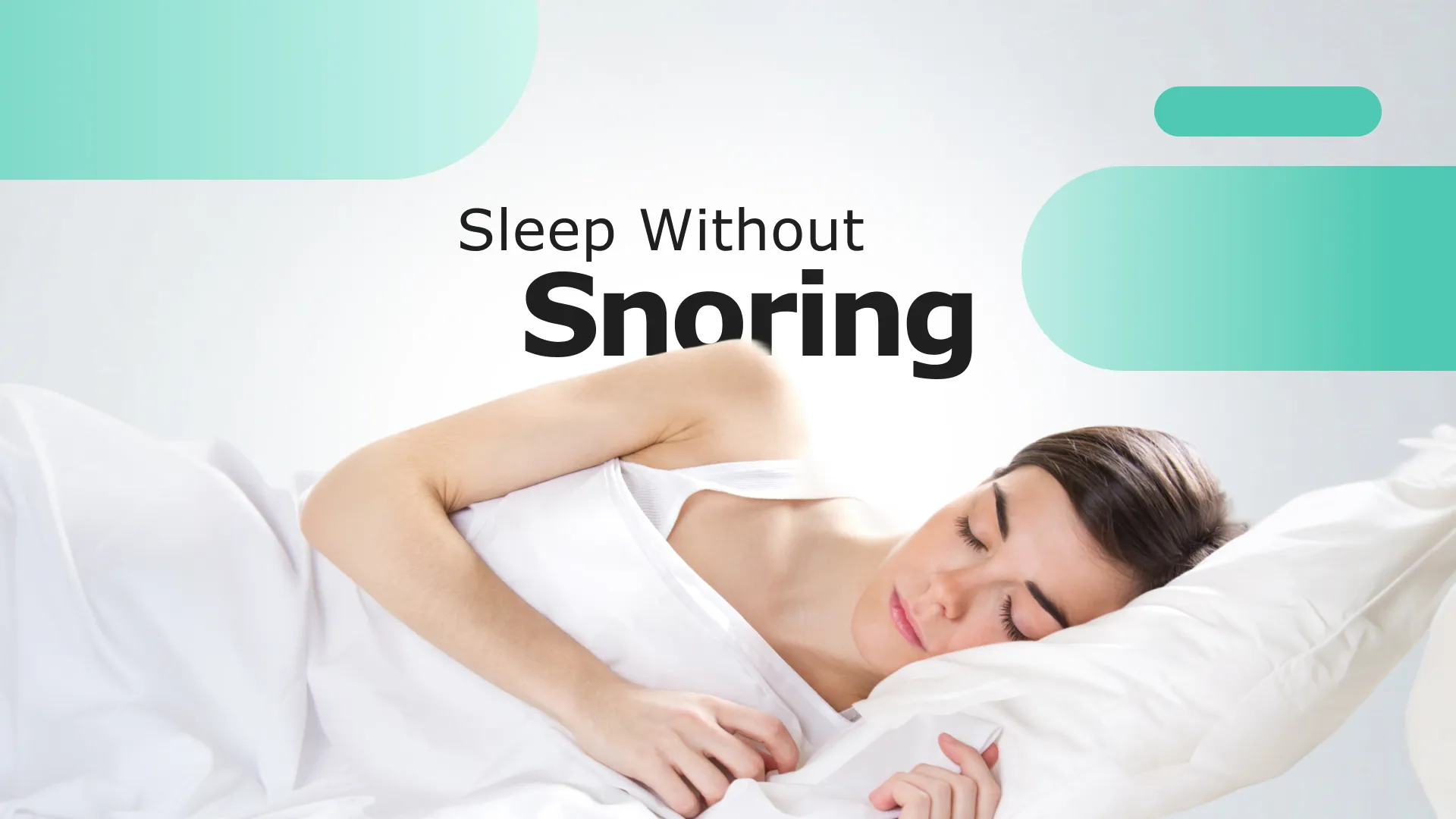
Sleep disruption is often the first major consequence of airway dysfunction. Aviara Sleep™ identifies structural and breathing-related causes of poor sleep and restores restorative rest through airway-centered therapy.
Guided by the Aviara Method™, care in every division begins with a structured evaluation designed to identify the root causes of dysfunction rather than simply treating symptoms.
Before their visit, patients complete a comprehensive Aviara Health Questionnaire, which explores breathing patterns, sleep quality, jaw symptoms, lifestyle habits, emotional wellbeing, and other health indicators that influence airway function and overall wellness.
This questionnaire is carefully reviewed with the patient and used to guide the Aviara Health Assessment. The assessment follows the same framework as the questionnaire, allowing us to align the symptoms patients report with the structural and functional findings we observe clinically.
This systematic process is a key part of what makes the Aviara Method™ unique. By connecting patient-reported experiences with objective clinical findings, we are able to uncover patterns that might otherwise go unnoticed and develop a more precise and personalized treatment strategy.
The insights gathered through this process guide the creation of your individualized BioArchitectural Blueprint™, which integrates airway health, structural balance, lifestyle optimization, and emotional wellbeing to restore long-term health and stability.
1- Aviara Health Assessment
2- Division-Specific Evaluation
3- Advanced Diagnostics
4- BioArchitectural Blueprint™ Creation
5- Integrated Treatment Plan Phase
6- Long-Term Stabilization & Maintenance
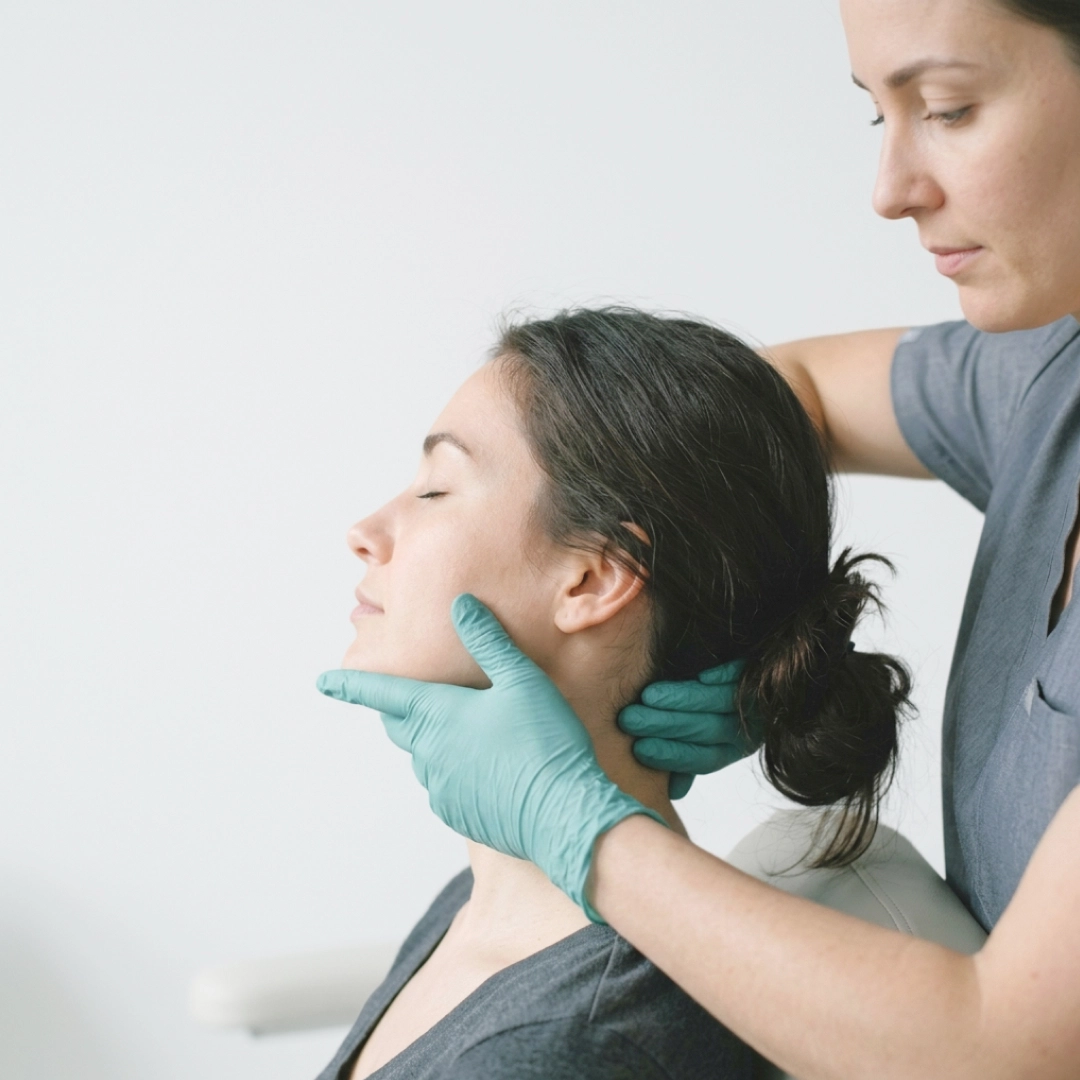
Every patient begins with a comprehensive Aviara Health Assessment, guided by the information gathered from the Aviara Health Questionnaire.
During this evaluation we assess:
• airway health and breathing patterns
• tongue posture and oral function
• jaw development, alignment, and range of motion
• craniofacial structure and bite stability
• cranio-cervical posture and musculoskeletal balance
• sleep quality and breathing habits
• lifestyle factors affecting inflammation and healing
• emotional and nervous system regulation
Because airway function influences jaw development, posture, sleep quality, and nervous system balance, identifying these relationships allows us to address the underlying causes of many chronic health concerns.

Once the comprehensive insights are gathered from the Aviara Health Questionnaire and Aviara Health Assessment by the patient navigator, the patient will be evaluated by a division specific provider based on the patient’s primary concern.
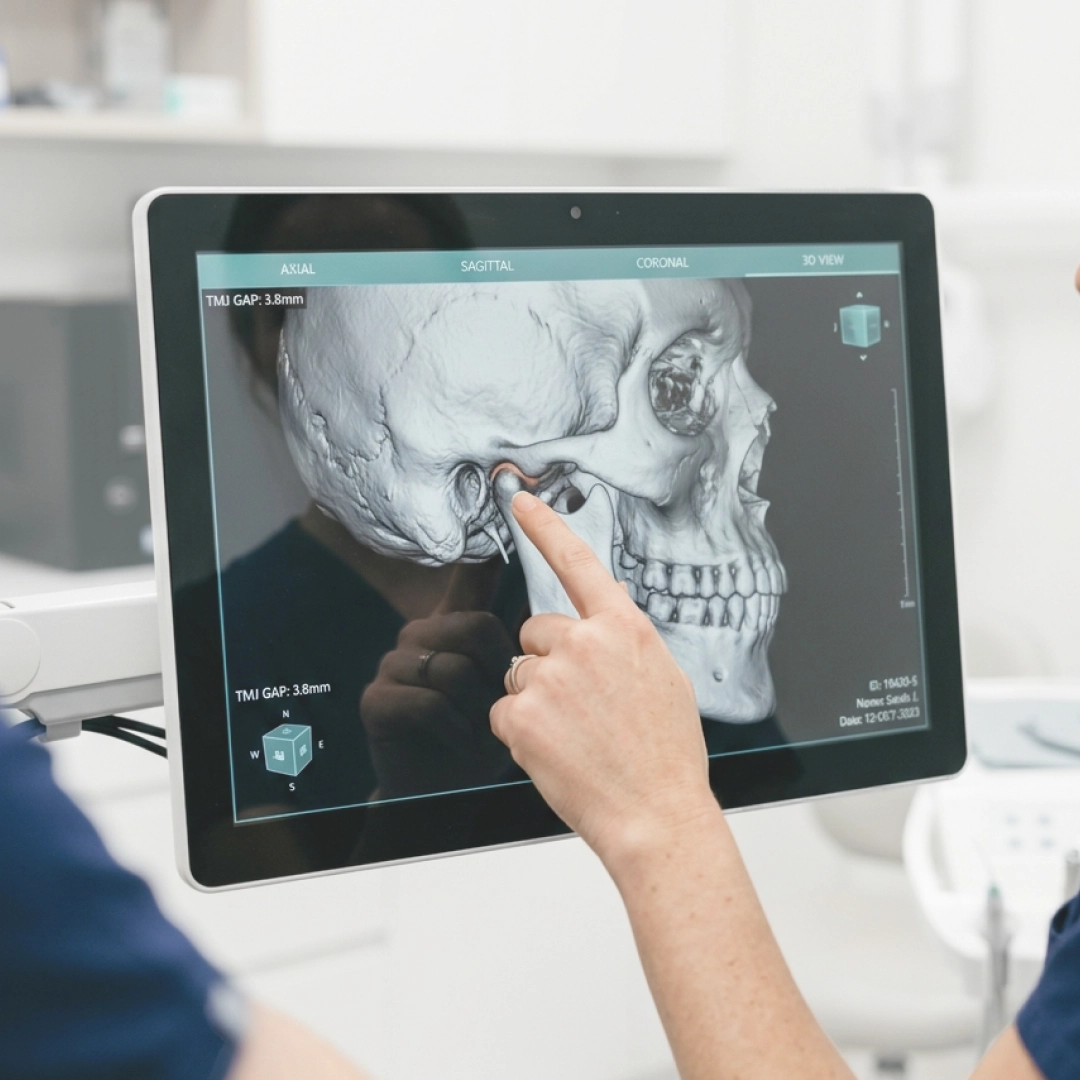
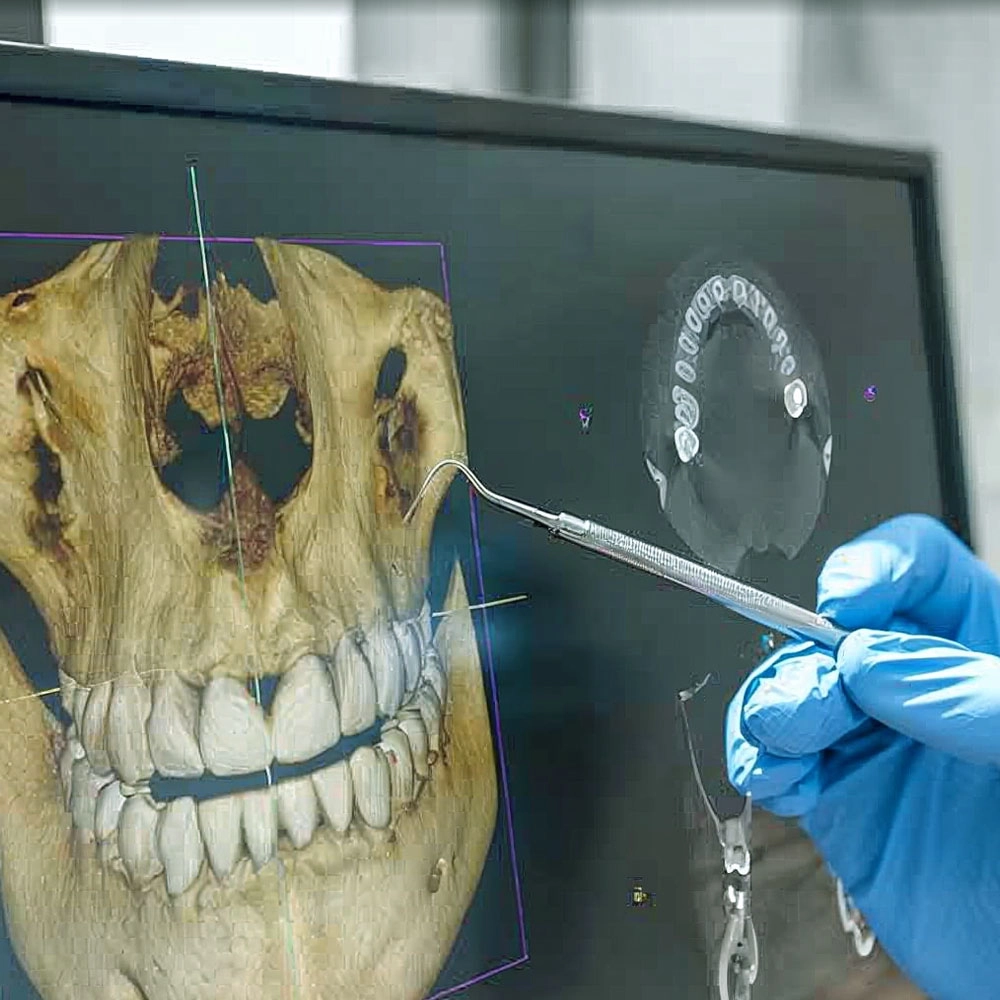
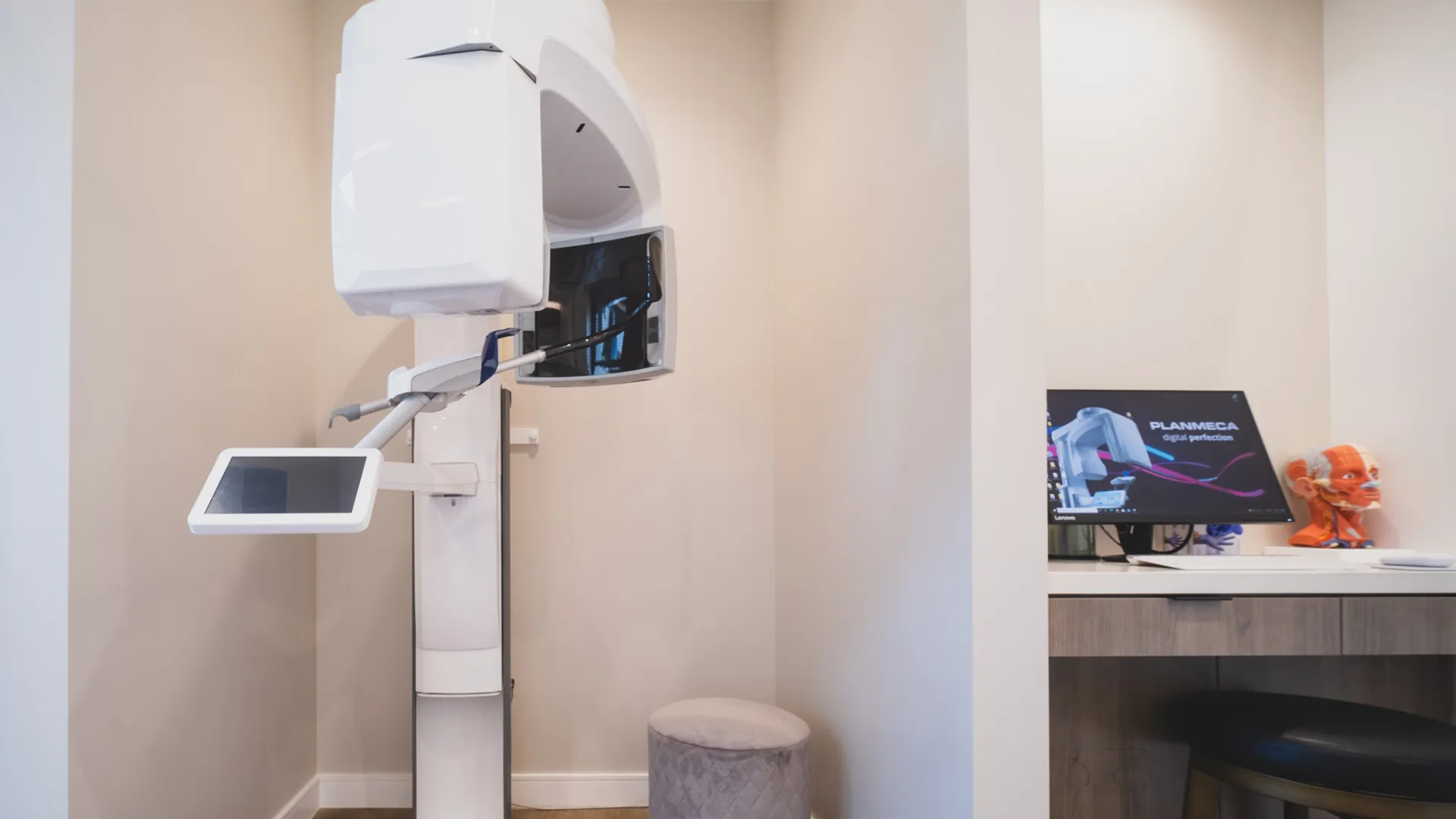
When needed, advanced diagnostics may include:
• 3D CBCT imaging
• digital scans & images
• posture and breathing analysis
• sleep screening or testing
• functional laboratory testing

Based on the patient’s questionnaire, assessment and evaluation(s), we develop a personalized BioArchitectural Blueprint™ integrating airway health, structural alignment, lifestyle optimization, and emotional wellbeing.
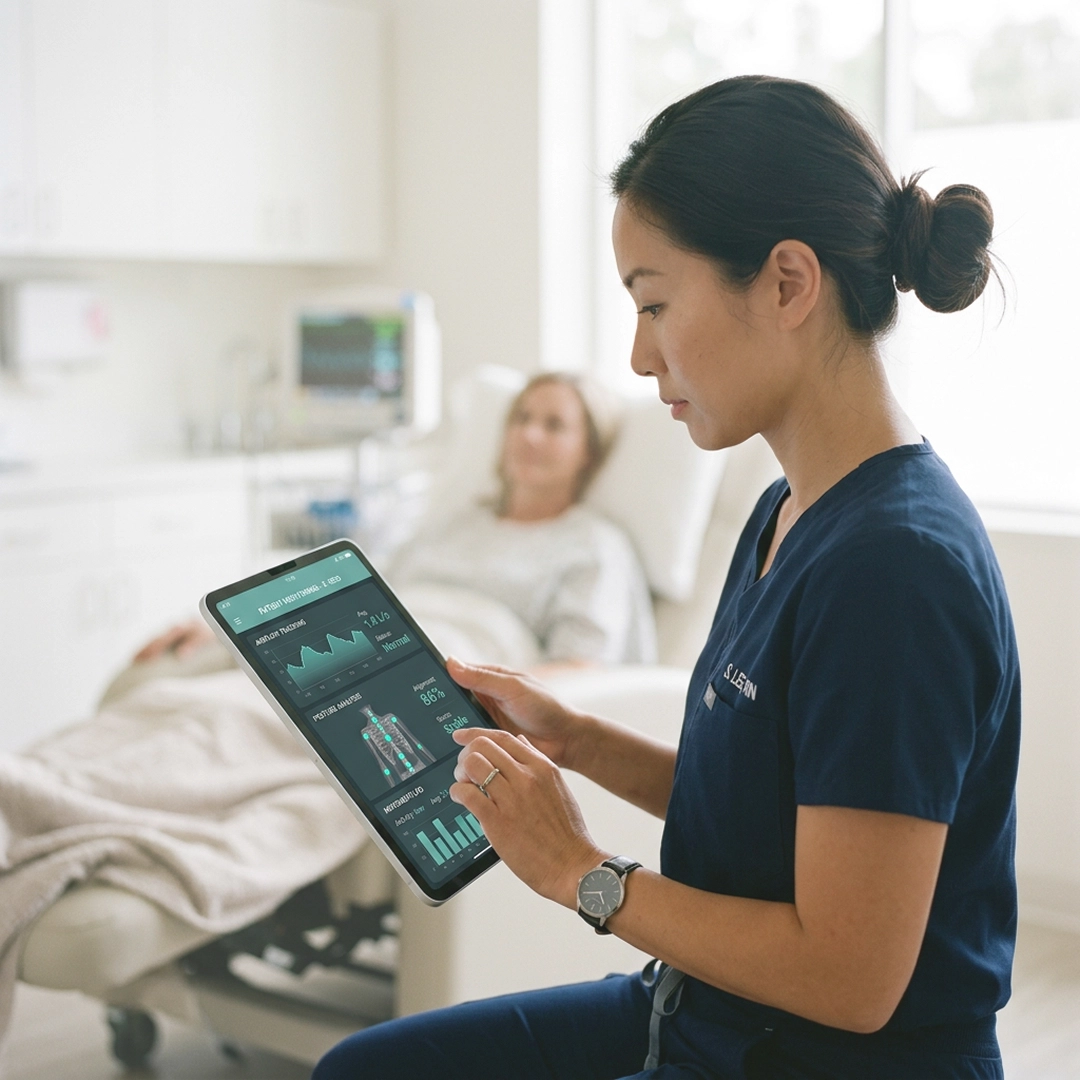
Treatment is delivered through an interdisciplinary approach that may integrate therapies from multiple Aviara divisions.

Once foundational health and function have been restored, our focus shifts to long-term stability and continued optimization. This phase is designed to maintain results, support ongoing adaptation, and prevent regression as the body continues to evolve. Because true health is dynamic, this phase ensures that improvements are not only achieved, but sustained for the long term.
Related Services Los Alamitos, California
At Aviara Centers, our integrative team of professionals work together to find the root causes of your concerns and create individualized solutions for optimal airway health which is essential for whole body wellness and beautiful smiles!



Breathing Technique, Los Alamitos, California
There is a secret our staff knows at Aviara Centers: everything in your body is connected. Your diet can play a significant role in your sleep-disordered breathing problems. To help manage your sleep apnea, we recommend staying away from fatty meats (bacon, burgers, pork, lamb), bananas, caffeine, and high-fat dairy products (whole milk, cream, butter, rich cheeses).
CPAP machines are active treatments, continually keeping your airways open so you can breathe all night freely. The minimum amount you should use your CPAP machine is 4 to 5 hours a night. For a full night’s sleep, we recommend wearing yours throughout the night. Taking it off in the middle of the night will only let your airways close up again, so you will still wake up tired, irritable, and with a raging headache. Similarly, CPAP alternatives like an oral appliance for sleep apnea should also be worn for the entire 7.5 to 8 hours that you are in bed.
There are home sleep tests that can monitor your breathing and oxygen levels while you sleep. This device is straightforward and can be used to help identify sleep apnea but not diagnose it. That is something our dentists and specialists are here to do. Using top-of-the-line technology like pharyngometry, rhinometry, and more, our team can assess your breathing and airways to assess your risk for sleep apnea. We also have overnight sleep studies available for those at a high risk based on screening forms, which a certified sleep specialist then reviews.
Sleep apnea may seem relatively harmless, but OSA and chronic sleeping problems can have potentially dangerous long-term effects. Since sleep apnea prevents oxygen from reaching the lungs and brain at night, the heart becomes strained over time. Patients with untreated sleep apnea often suffer from significant cardiovascular problems like high blood pressure, heart disease, heart attacks, and stroke.
Some of the most common signs of sleep apnea include snoring, pauses in your breathing, gasping for air, and abruptly waking up throughout the night. Other symptoms include waking up with a dry throat, frequent fatigue, insomnia, headaches, irritability, difficulty concentrating, heartburn, and decreased libido. Children are also likely to suffer from bedwetting, night terrors, poor performance in school, hyperactivity, and behavioral issues. However, it is incredibly common for patients not to notice any symptoms or problems at all.
Using a dental device for sleep apnea is a great way to reduce mild and moderate OSA. By pushing the jaw forward, MADs open up your airway and keep you sleeping soundly until morning. For more severe cases, a CPAP machine and other treatments like orthodontics may be necessary.

Airway Aesthetic Dentistry, TMJ, Sleep & Ortho
Aviara is Dr. Katherine Ahn Wallace’s vision. It has been her lifelong aspiration to create an interdisciplinary center that leads the way in comprehensive sleep, TMJ, orthodontic, and whole-body wellness. She has stayed at the forefront of dentistry by learning about the relationship these aspects play in her patients’ lives. Dr. Ahn routinely completes mini-residencies and advanced comprehensive programs annually to ensure her patients always receive the best care—and smiles—possible. Her particular focus is on jaw development and healthy airway support starting proper development as early as possible, because she believes that guiding young smiles helps achieve the happiest and brightest outcomes.
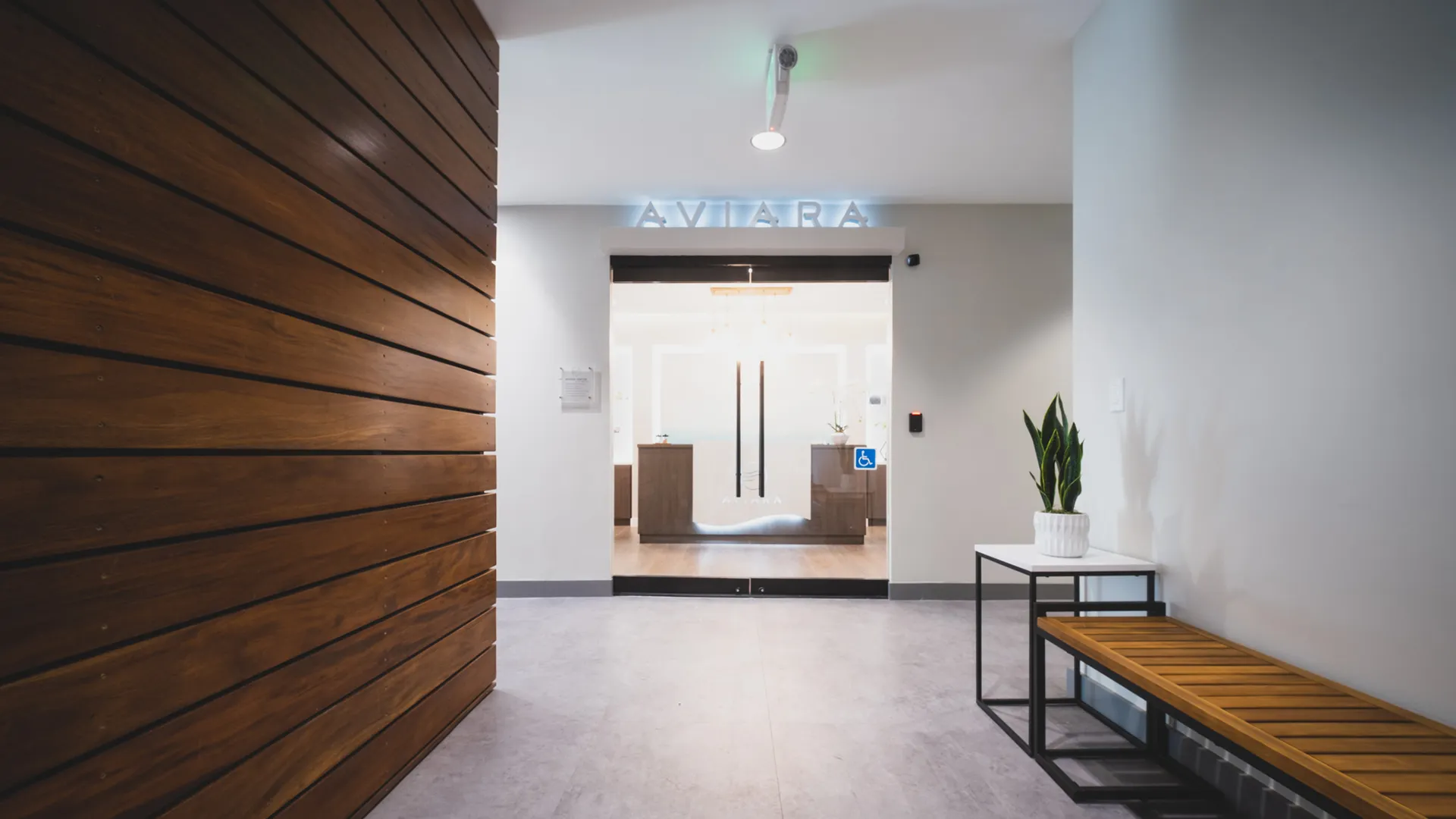
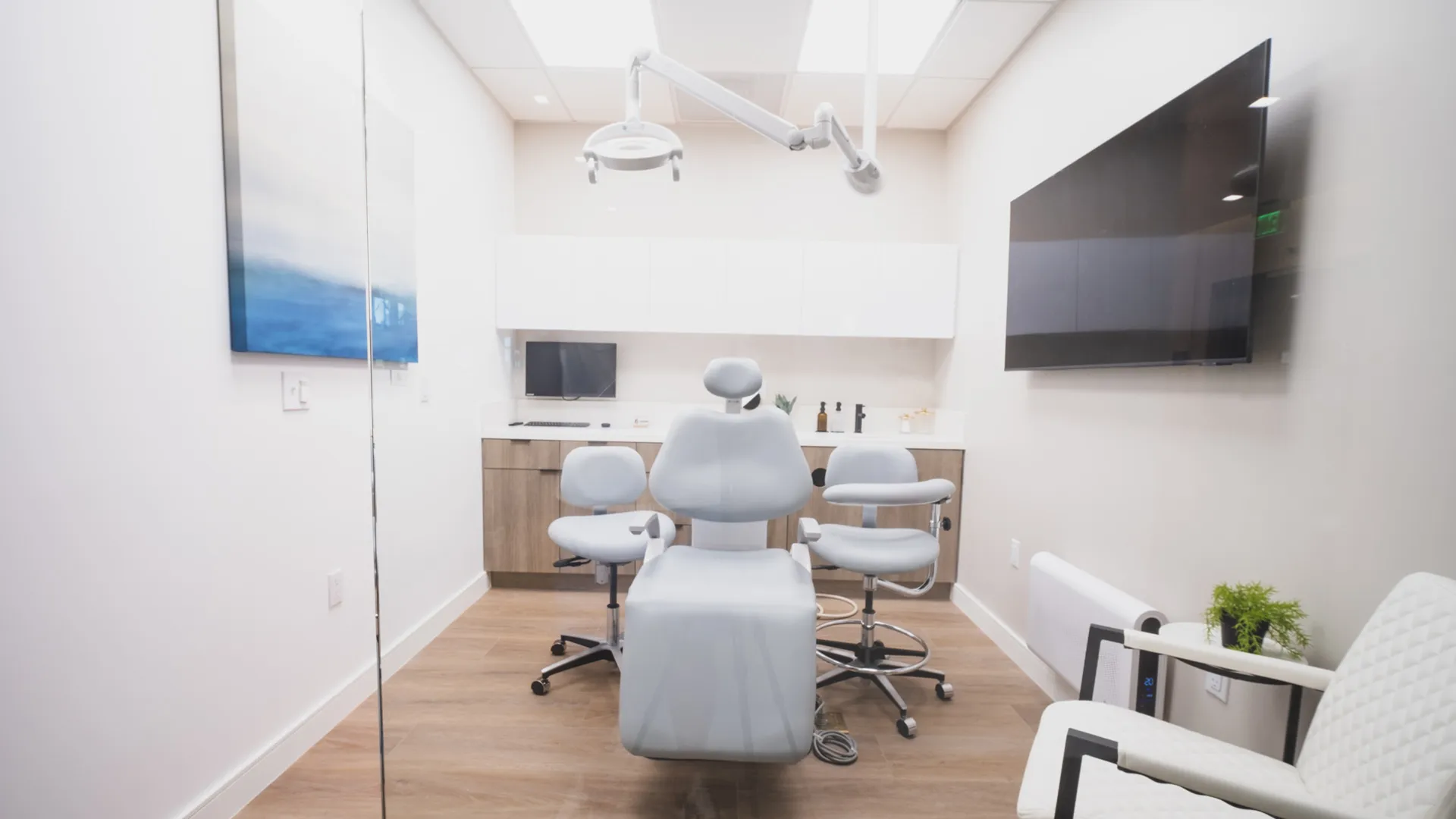
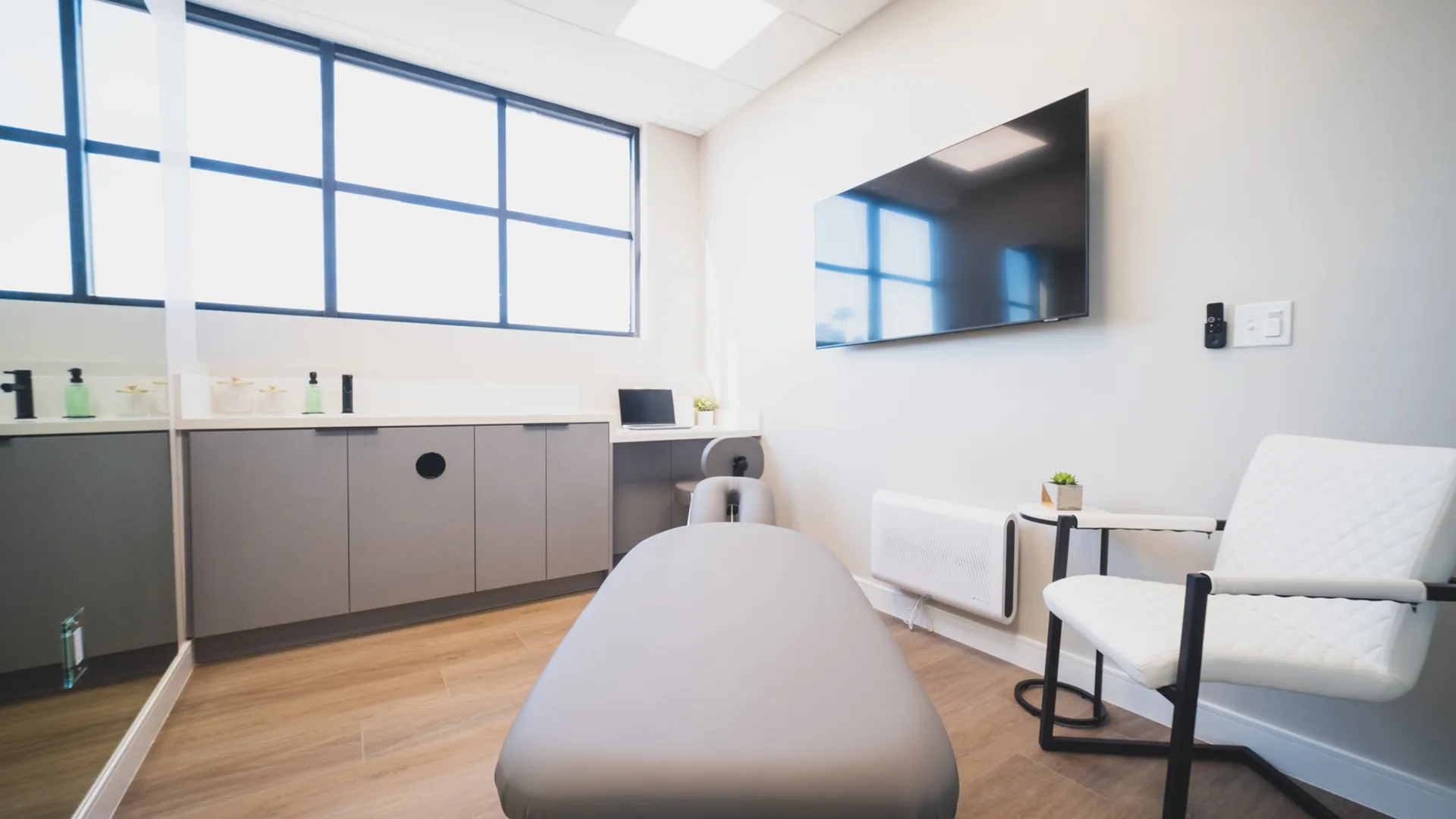
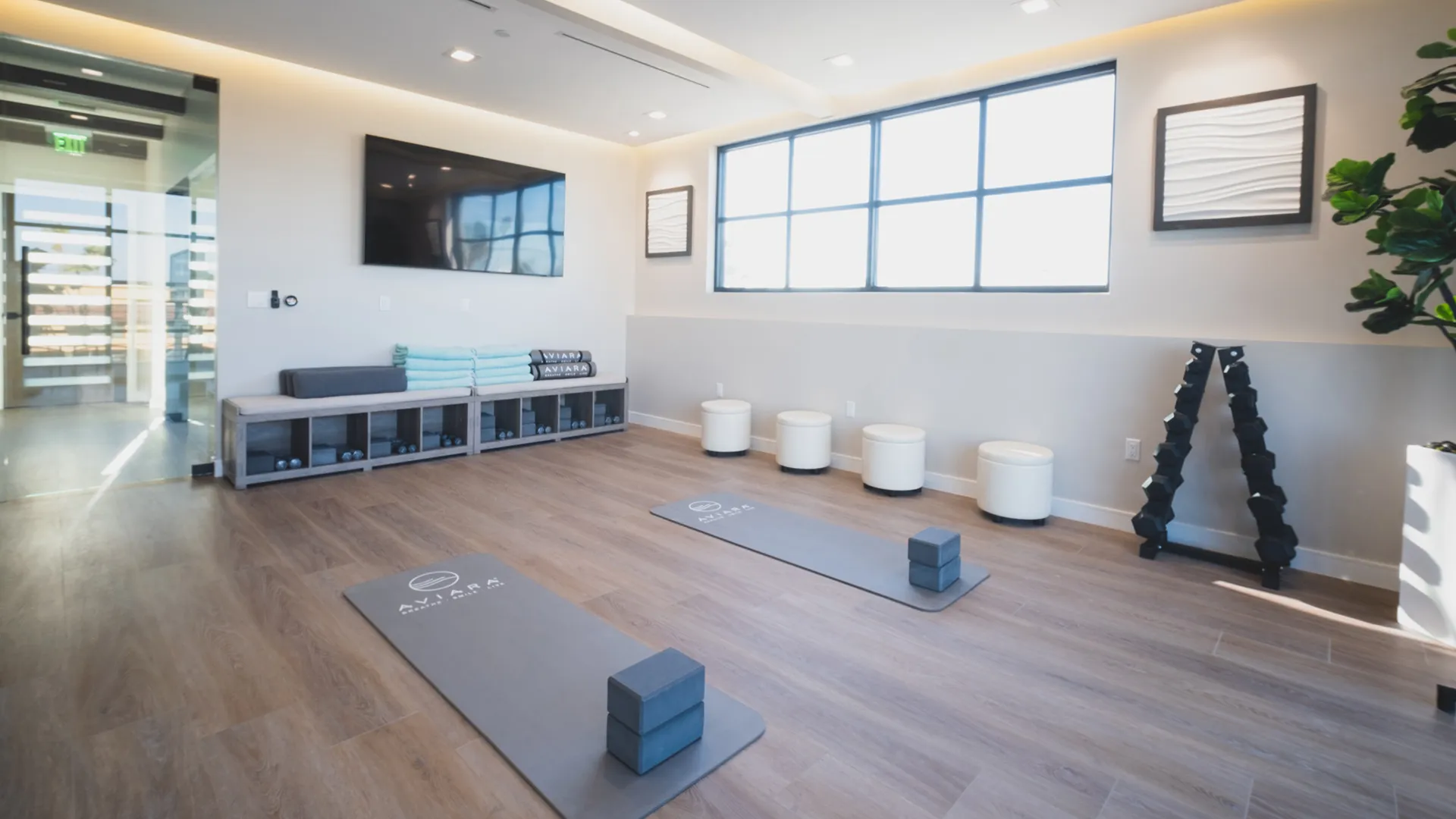
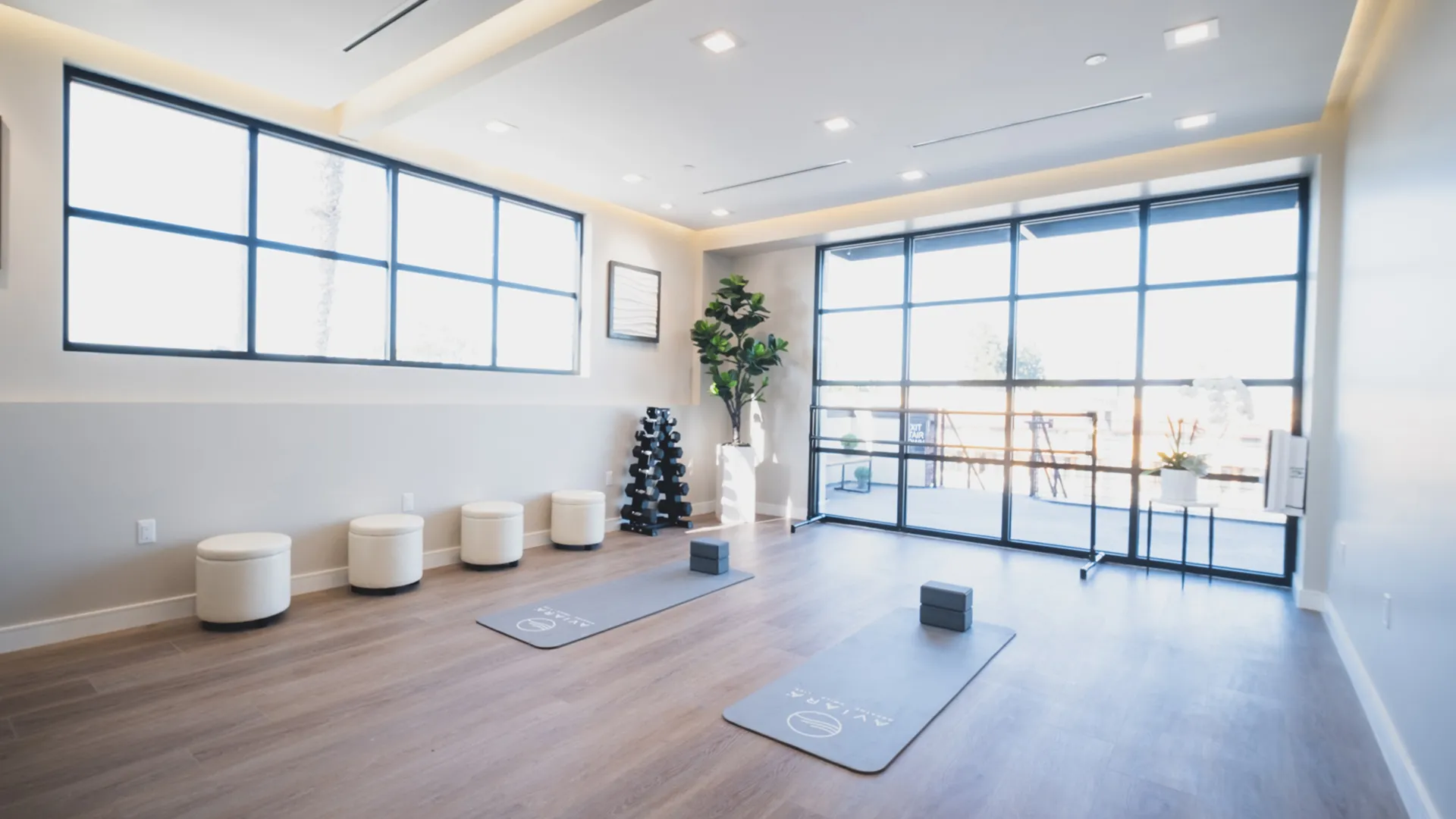
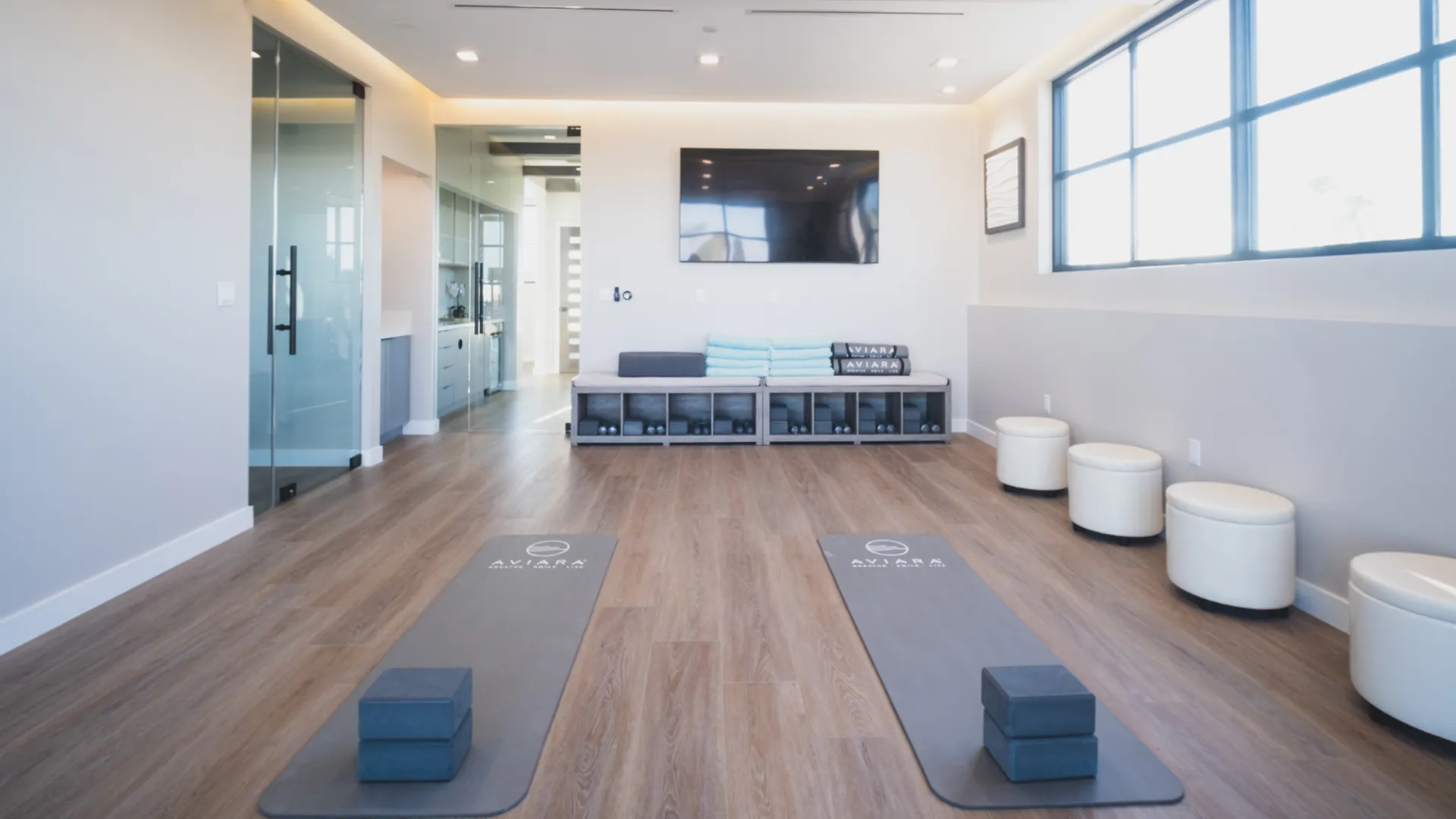
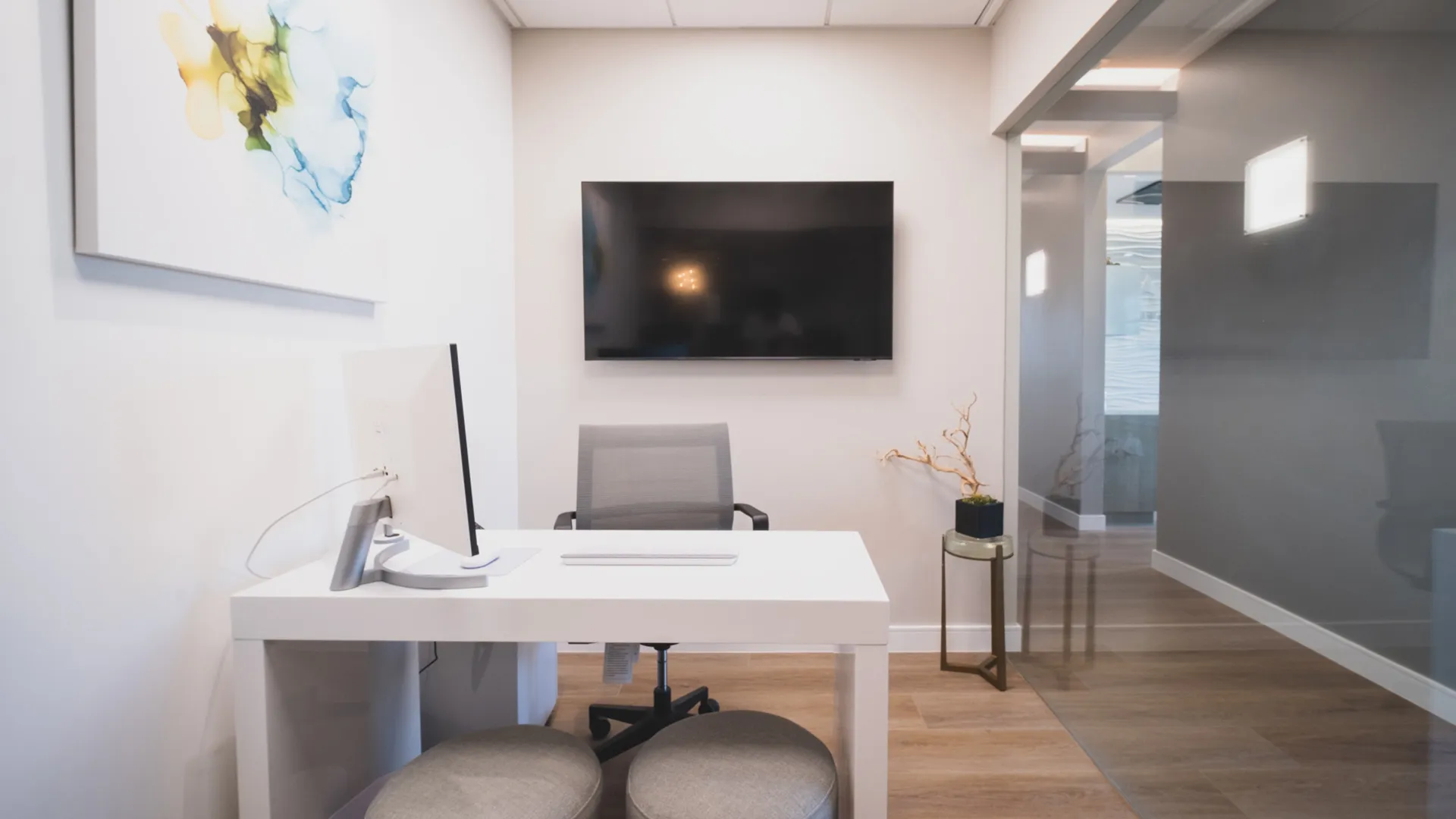
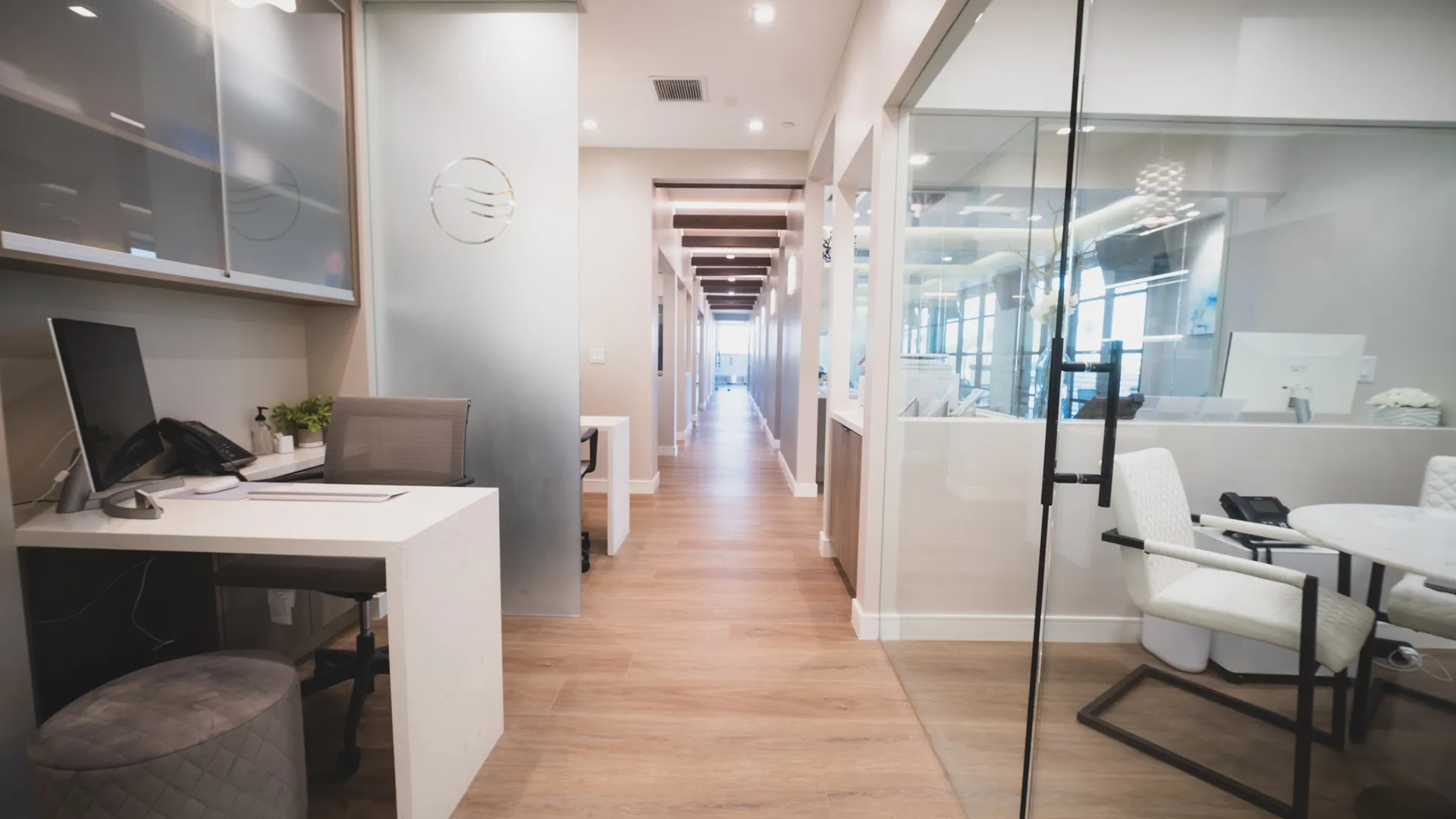
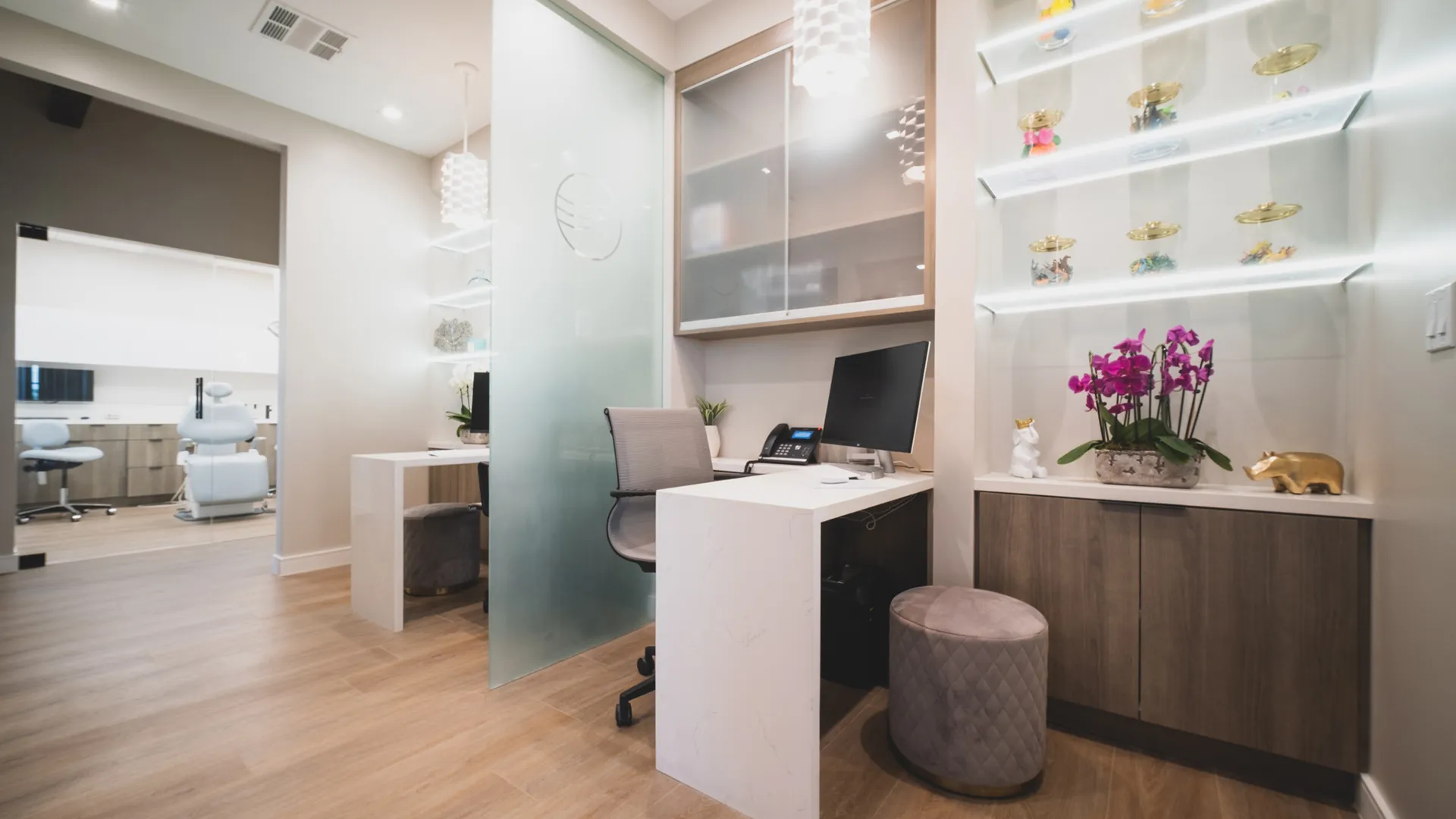
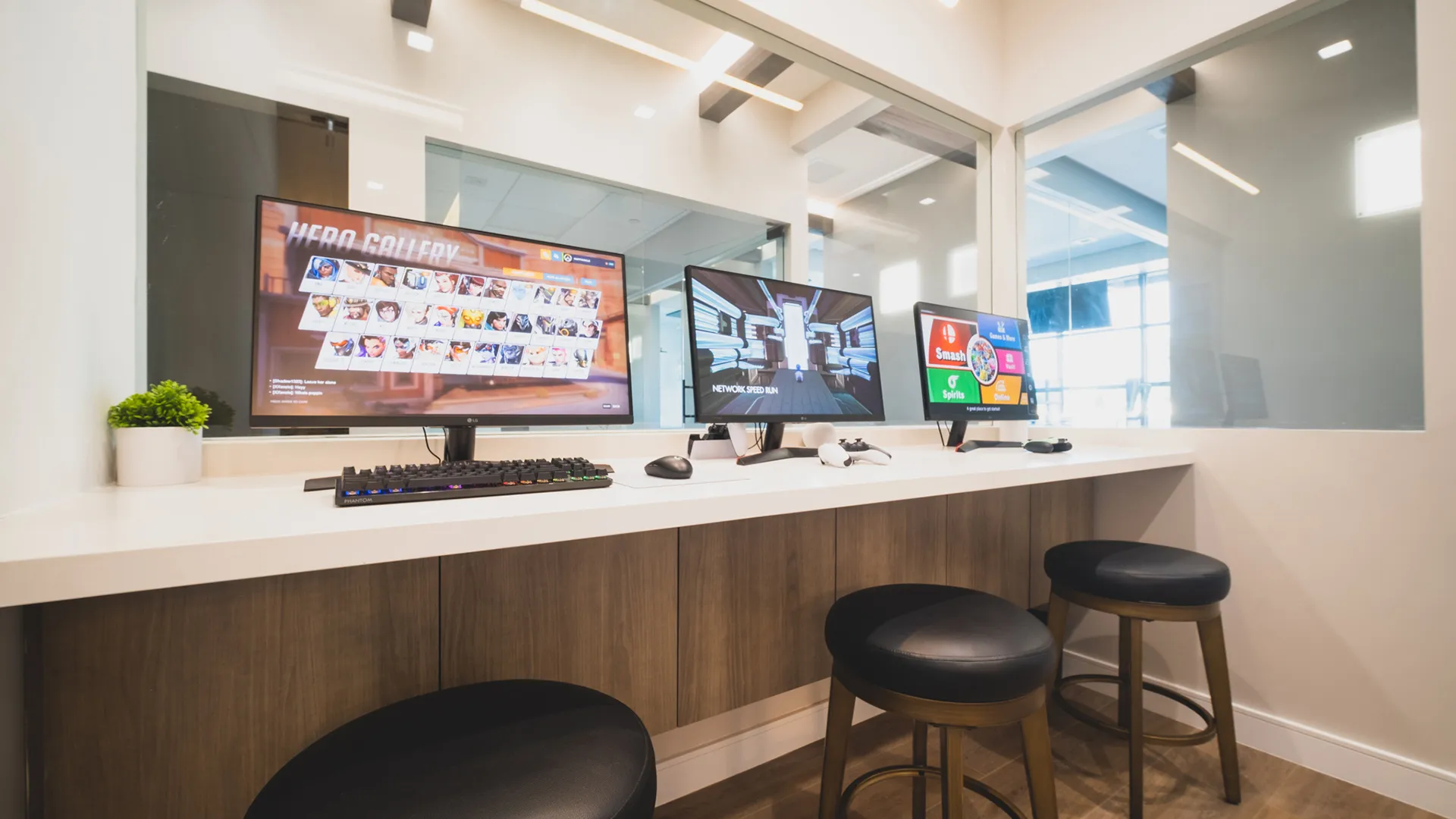
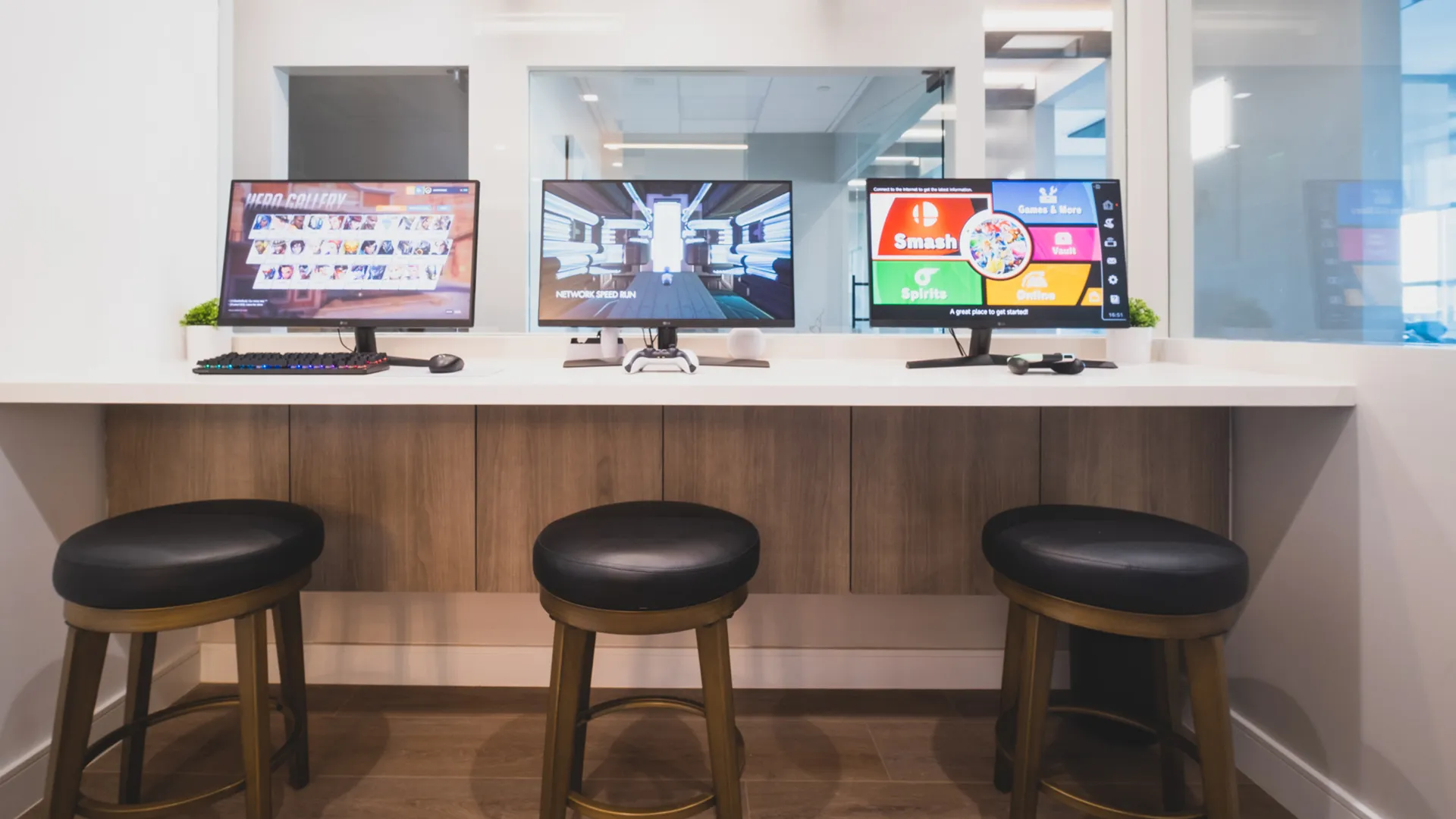
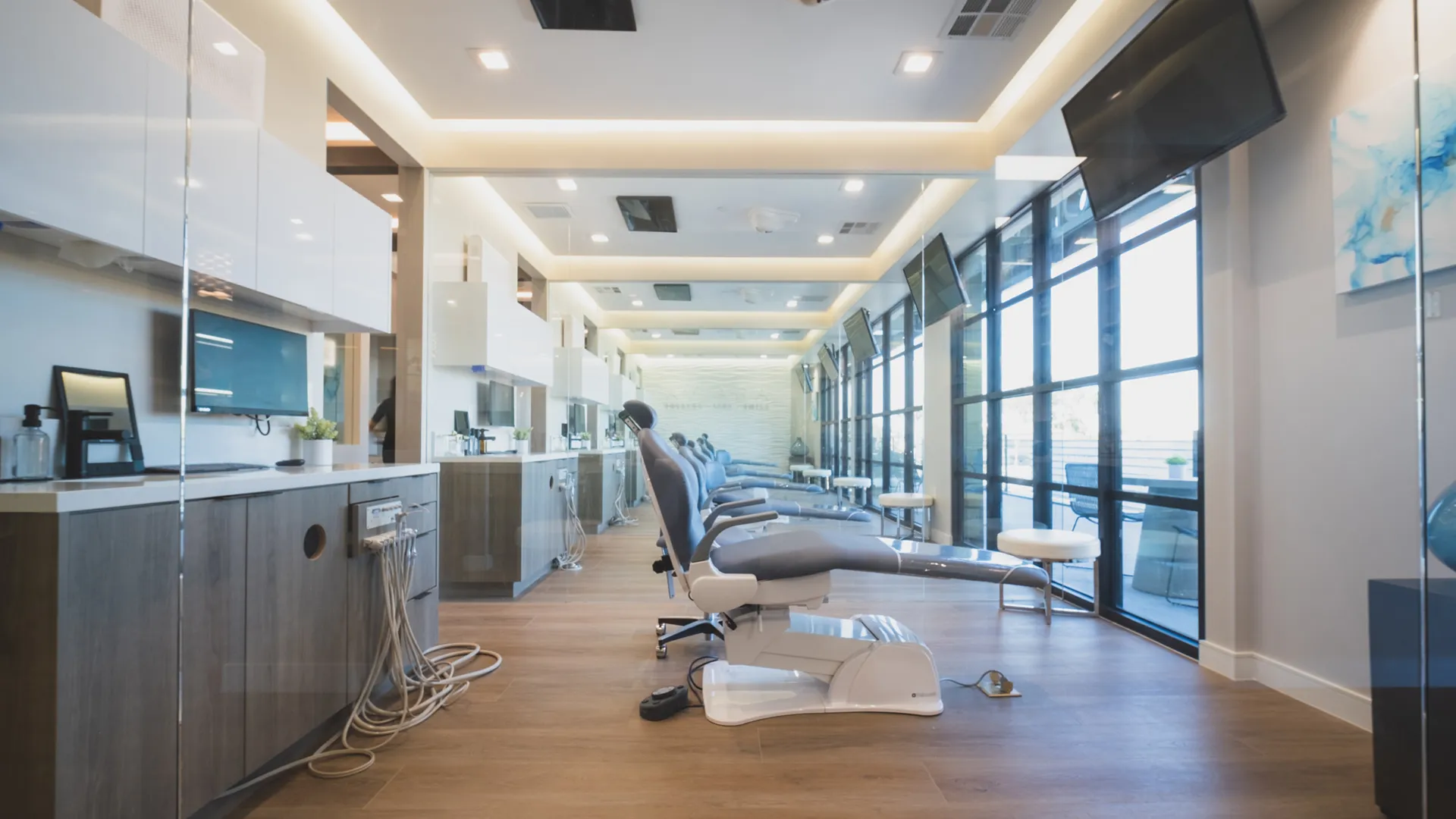
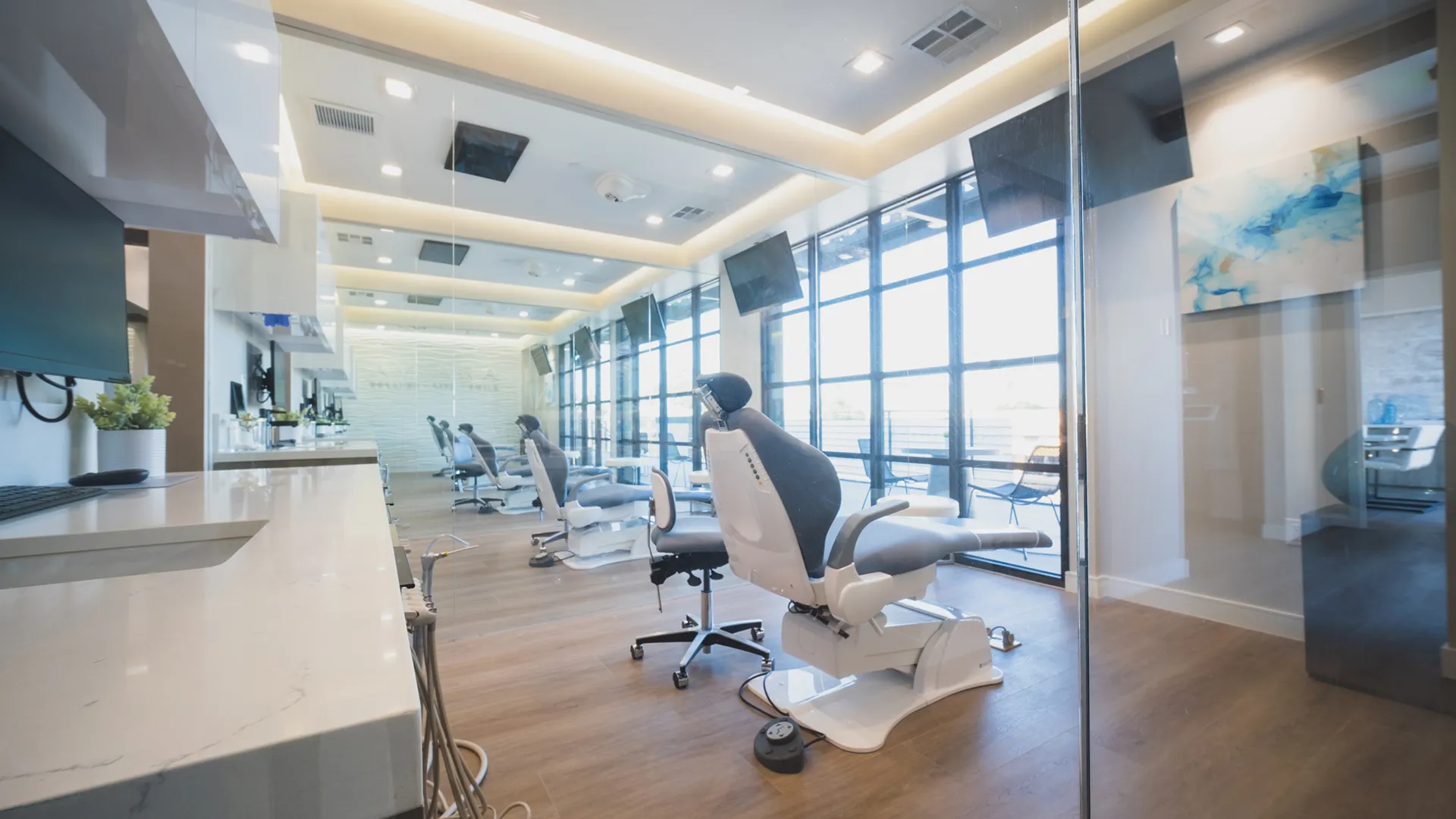
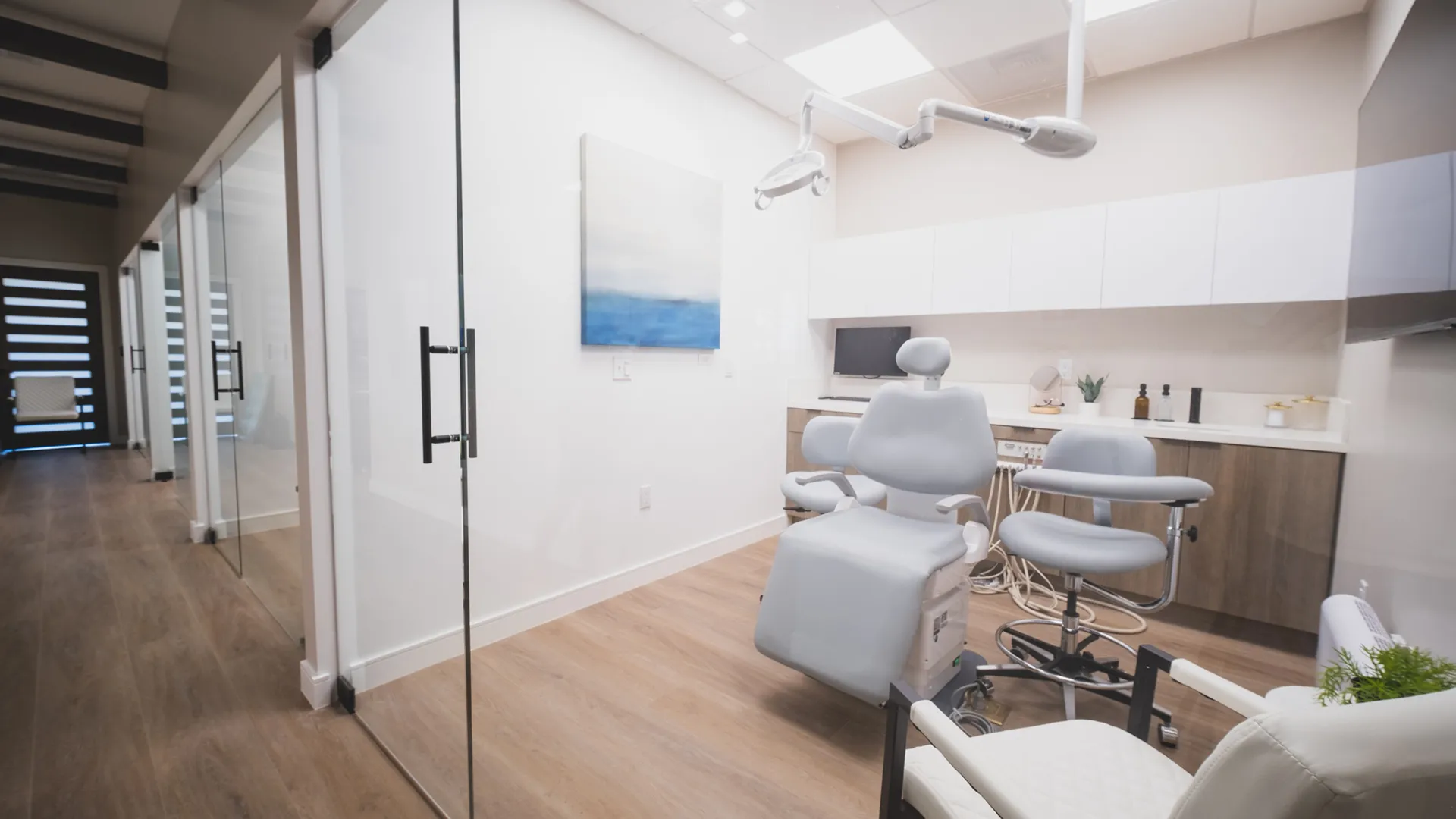
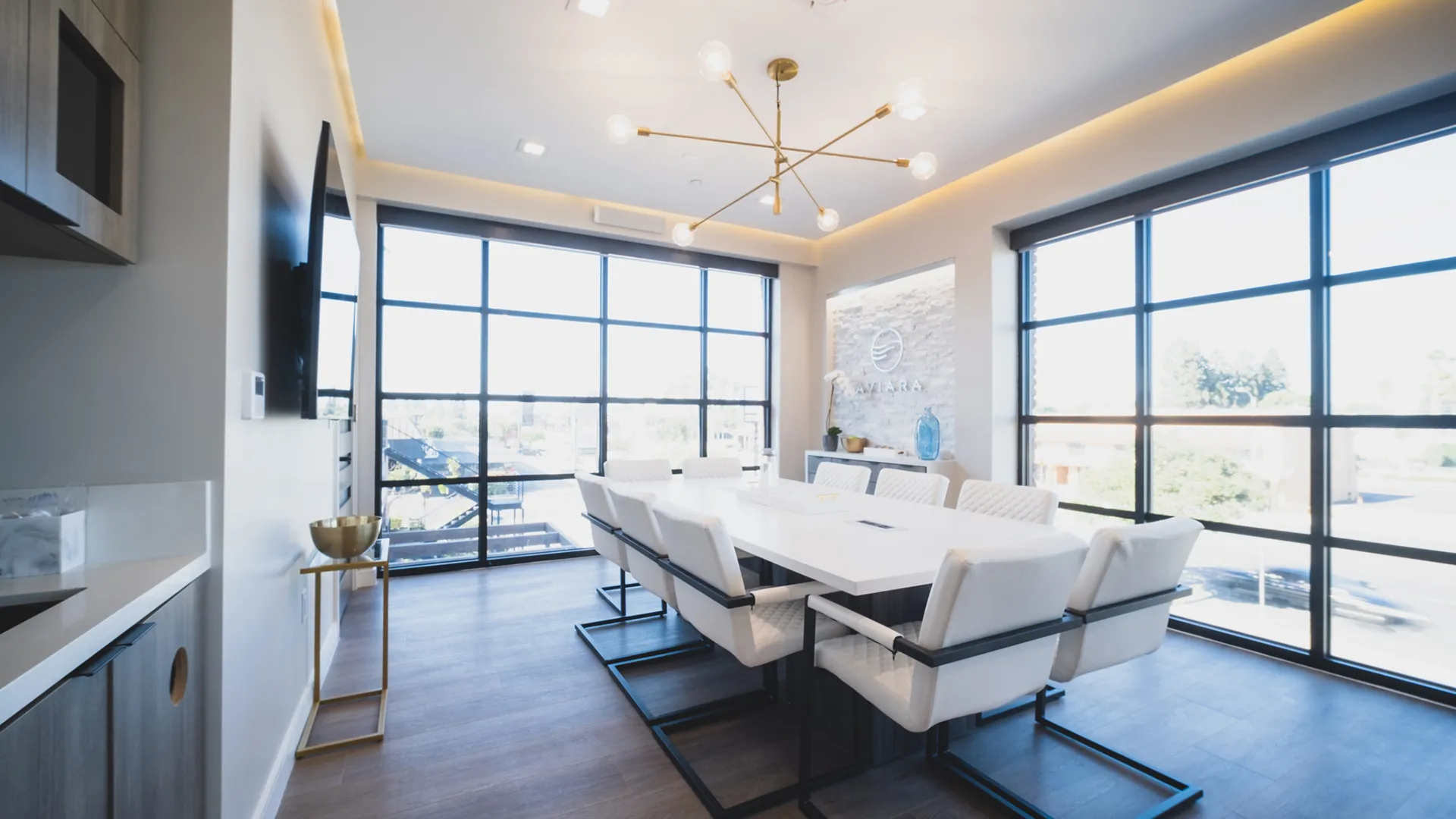
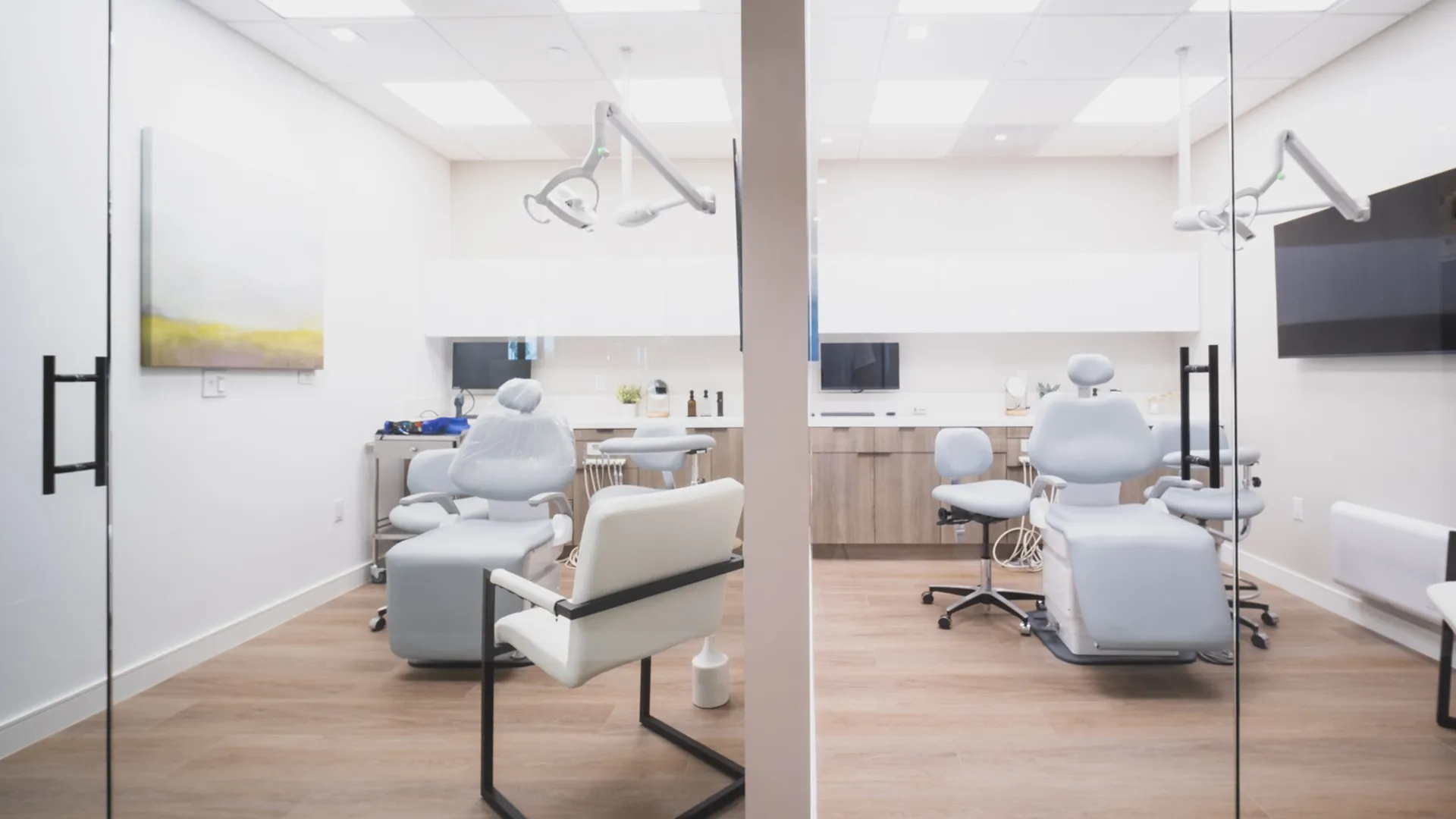
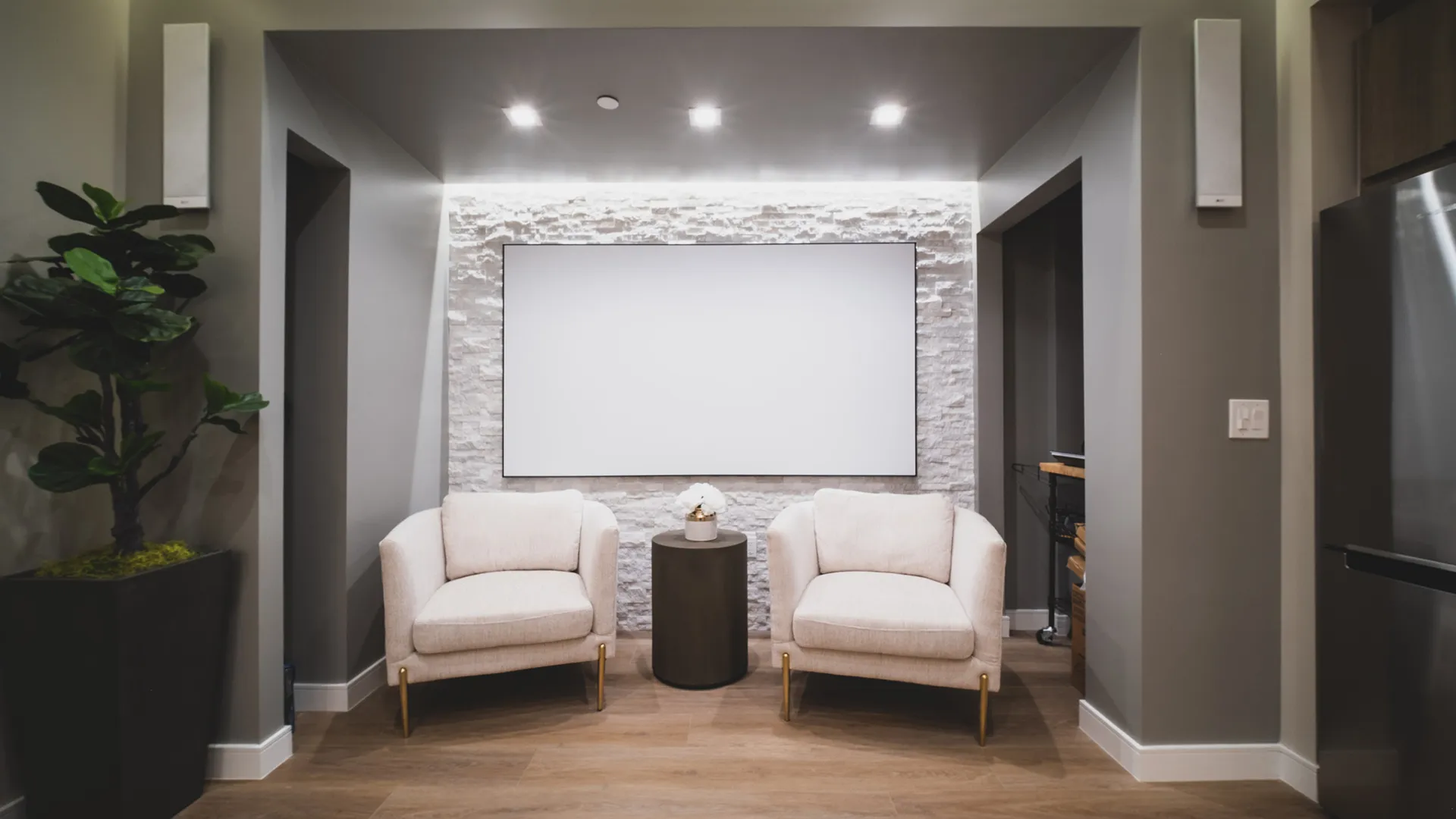
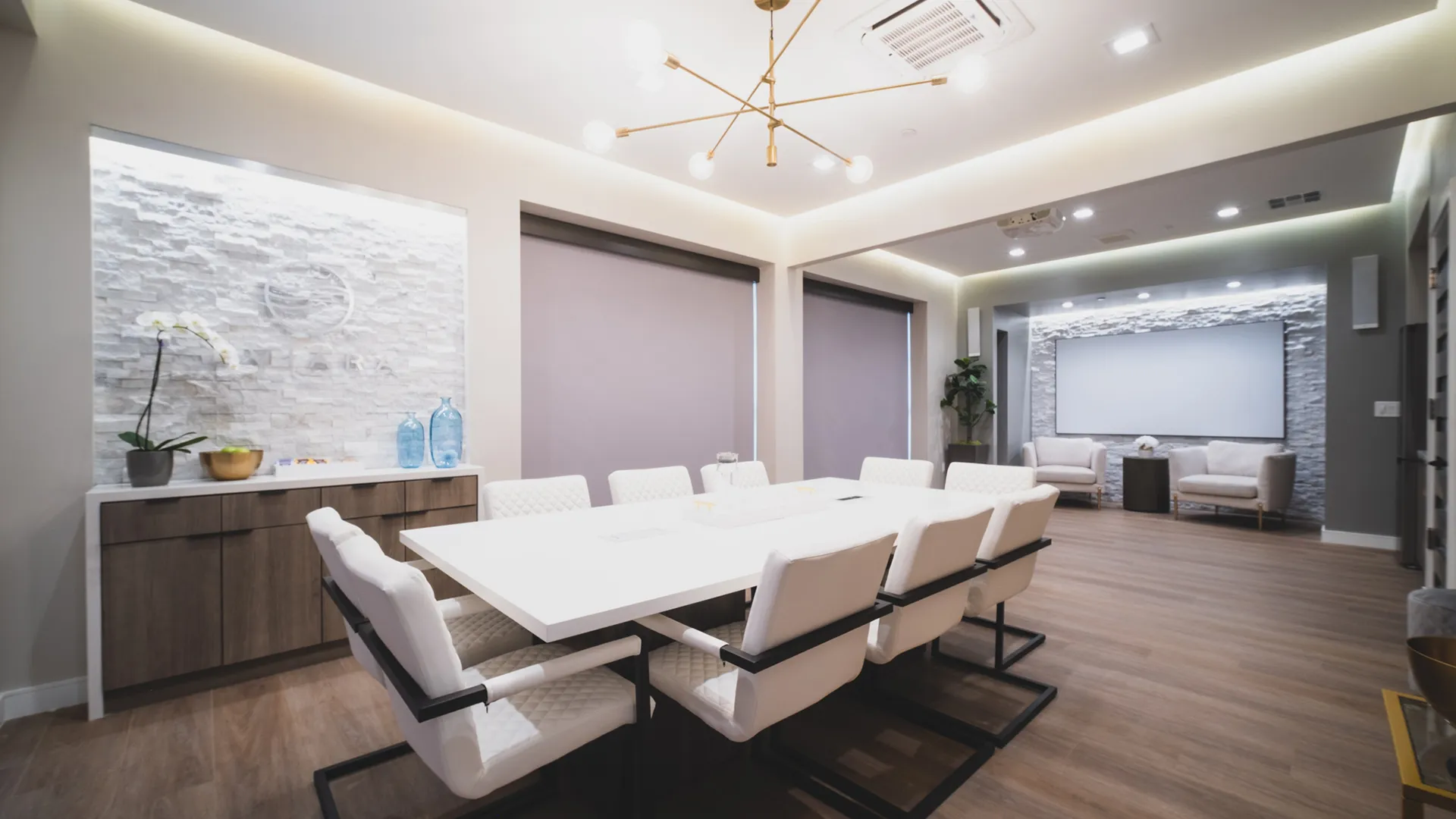
Preview Our Dental Office In Los Alamitos, California




OUR RECENT POSTS
Check us out and follow our Los Alamitos, California practice on social media...