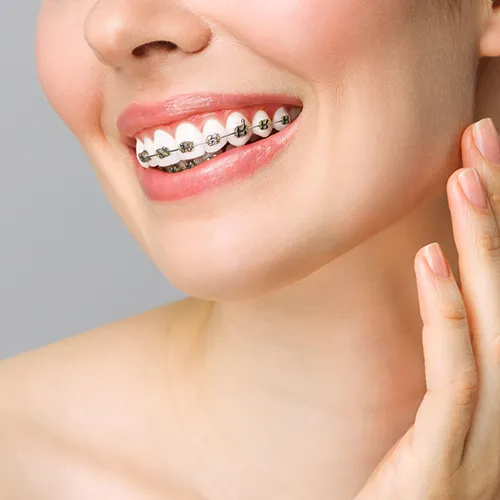
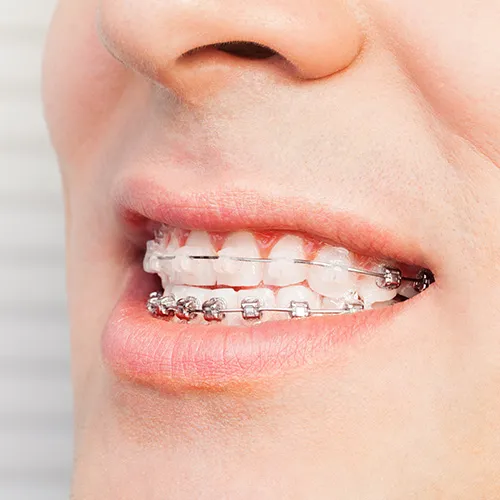
Orthodontic braces are made to adjust abnormalities and misalignments in the teeth. They are made up of a number of parts that work together to progressively move and align teeth into their correct positions: bands, brackets, and archwires. These gadgets are necessary for a number of reasons:
- Correcting Misalignments:
The main purposes of braces are to straighten out alignments such as crossbites, underbites, overbites, and spaces between teeth. These problems can have an effect on dental health and functionality in addition to how the smile looks.
- Improving Oral Health:
Because they are more difficult to clean, teeth that are misaligned are more vulnerable to problems including cavities, gum disease, and uneven wear. Braces can improve oral hygiene by properly aligning the teeth, which makes it simpler to clean and floss.
- Enhancing Chewing and Speech:
Improved chewing efficiency and improved digestion are benefits of having well positioned teeth. Furthermore, there is a connection between tooth misalignments and some speech impairments. Clearer speech patterns can result from using braces to aid with these problems.
- Boosting Self-Confidence:
A person's self-esteem and confidence can be greatly enhanced by a straight, attractive grin. Braces have the power to straighten teeth and change someone's smile, which can boost confidence and improve one's self-image.
- Preventing Long-term Issues:
If left untreated, misalignments can eventually result in more severe oral health issues, including jaw pain, excessive wear on specific teeth, and difficulty biting or chewing. Braces take care of these issues and shield against long-term problems.
- Supporting Overall Health:
There is mounting evidence that connects general health and oral health. By straightening teeth, braces can improve oral health and possibly lower the chance of systemic health problems associated with inadequate dental hygiene.
- Customized Treatment:
Braces-based orthodontic therapy is extremely individualized. Orthodontists evaluate each patient's unique dental needs and provide individualized treatment programs to address certain issues. Every patient will receive the best outcomes thanks to this personalization.
In summary, braces are essential for preserving good dental health and general wellbeing in addition to helping people achieve a gorgeous smile. They are a vital instrument for readjusting misaligned teeth, guarding against problems, and enhancing self-esteem on the inside as well as the outside.
For many people seeking dental alignment, braces have become a trusted ally in the pursuit of a dazzling smile. It can be crucial to comprehend the many phases, age restrictions, and expenses related to conventional metal braces before starting this life-changing process.
Stages of Braces:
Stage 1: Initial Consultation
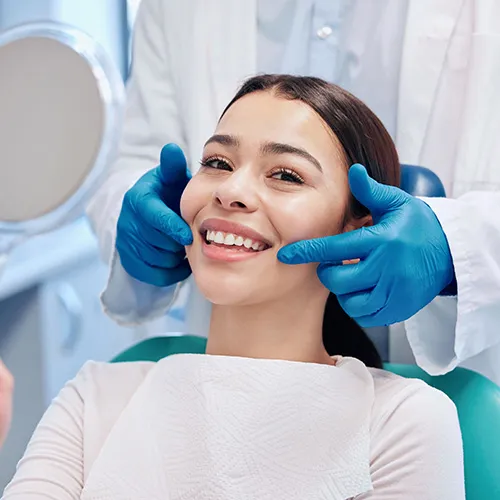
The process of getting braces usually starts with an initial appointment with an orthodontist. This entails a comprehensive examination, a discussion of available treatments, and the creation of a customized plan based on the specific dental requirements of the patient. X-rays, dental impressions, and photos all aid in determining the best course of action for treatment.
Stage 2: Placement of Braces
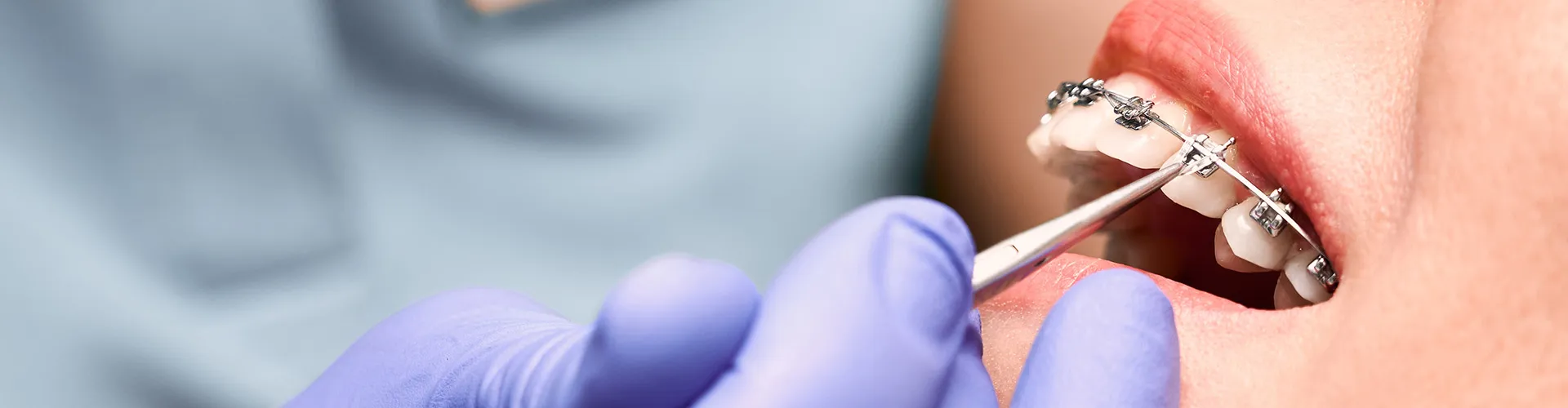
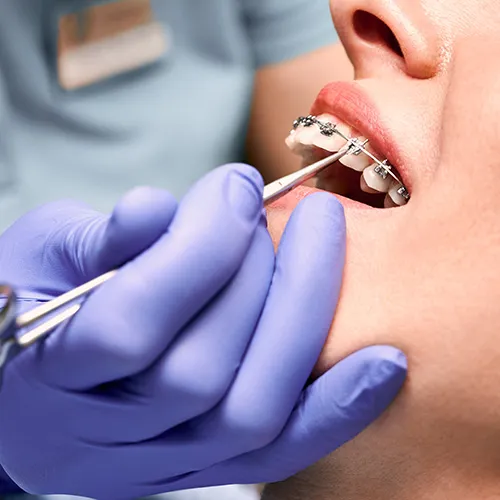
The next step is to place the braces after the treatment plan has been determined. The teeth must be completely cleaned before the archwire is threaded through the brackets and an adhesive is applied to firmly fasten the brackets. There may be some slight discomfort at the first placement, but this goes away with time.
Stage 3: Adjustment Period
There could be an adjustment period within the first few weeks after receiving braces. During this phase, it's normal to eat softer foods, adjust to braces and oral hygiene regimens, and feel some slight discomfort as the teeth start to move.
Stage 4: Periodic Adjustments
Throughout the course of therapy, routine visits to the orthodontist are essential. During these visits, the wires will be adjusted, rubber bands will be changed, and any loose or broken brackets will be replaced. These modifications guarantee that the teeth are developing in line with the treatment strategy.
Stage 5: Removal of Braces
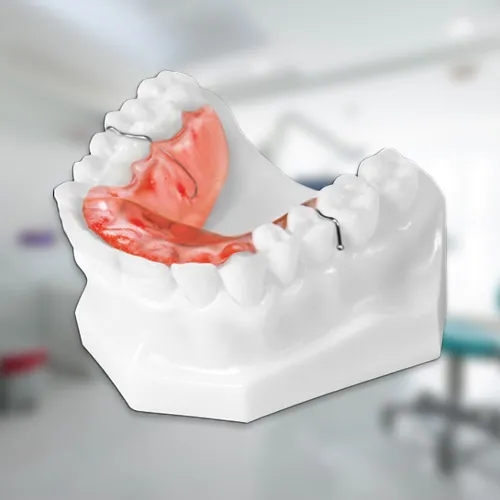
The braces are taken off once the teeth have progressed into the correct positions. The active treatment phase has ended at this point. To preserve the alignment that has been established and stop the teeth from moving back to their original places, retainers may be recommended.
Age Limit for Braces
The age at which one can get braces is not strictly regulated. Adolescence is frequently linked to orthodontic therapy because it's the best time for tooth movement and jaw development. Adults, however, might also profit from braces. Age is not a barrier to having a straighter smile as long as the teeth and gums are in good shape. Thanks to developments in orthodontics, people of different ages can now receive successful treatment.
Cost of Traditional Metal Braces
Traditional metal braces vary in price based on a number of variables, such as the orthodontist's experience level, the length of treatment, and the degree of misalignment. The usual price range for metal braces is between a few and several thousand dollars. Usually, this price includes all treatment-related costs, such as initial consultations, braces implantation, regular adjustments, and braces removal.
It is noteworthy that certain dental insurance policies may pay for a percentage of the expenses associated with treatment. Furthermore, flexible payment options are frequently offered by orthodontic offices to help patients with their financial obligations.
Getting metal braces sooner rather than later can be influenced by a number of factors, all of which have an effect on the person's overall well-being, confidence, and dental health. It may be beneficial to choose metal braces earlier for the following reasons:
Taking Care of Oral Health Issues:
Gum disease, cavities, jaw pain, and other oral health issues can all be brought on by dental misalignments. Braces can be used to treat these issues early on, preventing them from getting worse and necessitating more involved care down the road.
Advantages for Emotion and Psychology:
Self-esteem is frequently impacted by misaligned teeth. Early orthodontic treatment can result in more attractive smiles, which boosts self-esteem and improves social relations.
Simpler Care at an Early Age:
Because the jaw is still growing during adolescence, it is easier to guide teeth into their correct places. This makes this a great period for orthodontic treatment. Early intervention could lead to quicker and more efficient alignment.
Preventive actions:
Correcting misalignments at an early age may help prevent more involved dental operations down the road, hence lowering the need for costly orthodontic or dental work.
Customized Treatment Plans:
Orthodontic treatment plans are highly individualized. Starting treatment earlier allows orthodontists to create comprehensive plans that address specific dental concerns more effectively.
Ultimately, the decision to get metal braces sooner or later depends on individual circumstances, including the severity of the misalignment, the patient's preferences, and the guidance of dental professionals. Consulting with an orthodontist can provide personalized insights into the optimal timing for orthodontic treatment based on individual needs and goals.
Schedule Your Appointment Today!
Make an appointment with Aviara Centers of Los Alamitos to start the path to a bright, self-assured smile. Our professionals are here to discuss your worries, respond to your inquiries, and create a treatment strategy that will enhance your smile. Your ideal smile is only a click or phone call away when you get in touch with us using our easy online form or by giving us a call! Just dial 1 (714) 230-2424.
Aviara Centers of Los Alamitos - Where Your Smile Transformation Begins!























OUR RECENT POSTS
Check us out and follow our Los Alamitos, California practice on social media...