Sleep, Holistic Oral Health
Naturally Fixing Sleep Apnea: Insights from Your Dental Experts
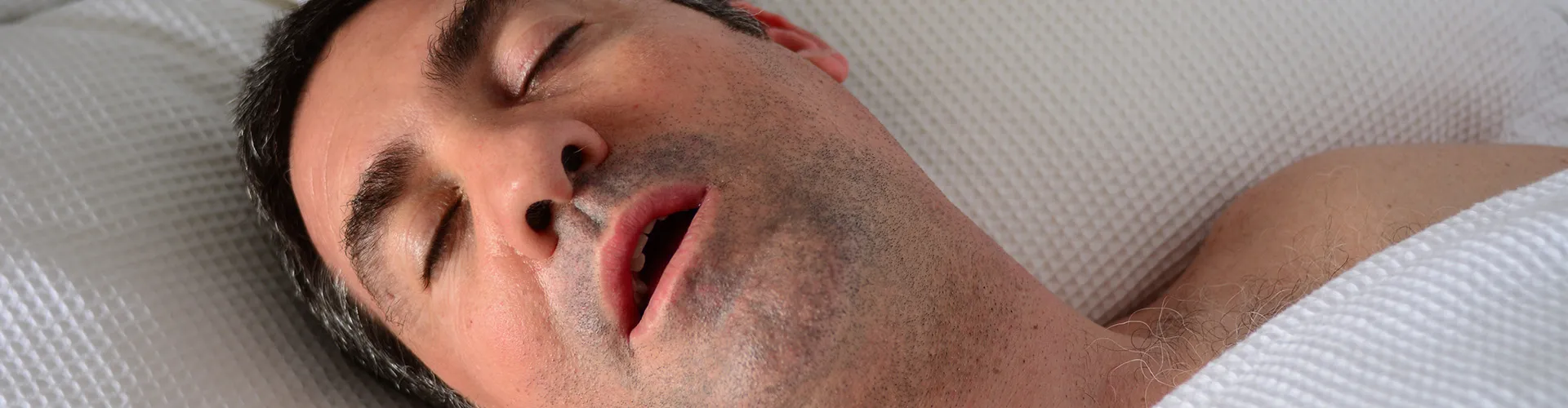
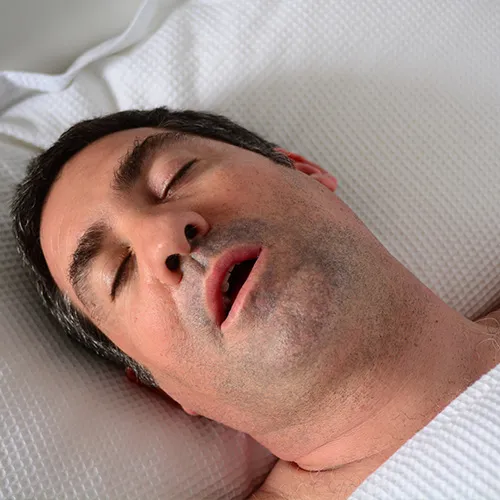
Sleep apnea, a condition often associated with snoring, goes beyond mere noise during the night. It's a serious sleep disorder where breathing repeatedly stops and starts, leading to disrupted sleep and affecting overall health. But does this mean that everyone has some form of sleep apnea? And how exactly does it impact one's heart health? Most importantly, what are the natural ways to cure or manage it? Let's delve into these questions, with a focus on how dental expertise plays a crucial role in addressing this condition.
Does Everyone Have Some Sleep Apnea?
Not everyone has sleep apnea, but it's more common than many think. Occasional episodes of apnea during sleep can happen in healthy individuals, but it doesn't necessarily indicate a persistent problem. Sleep apnea becomes a concern when these episodes are frequent and severe enough to disrupt sleep quality and affect daytime function. Factors like obesity, age, genetics, and anatomical variations in the throat and nasal passages can increase the risk. Understanding these nuances is key in identifying and managing sleep apnea effectively.
How Does Sleep Apnea Affect the Heart?
The connection between sleep apnea and cardiovascular health is both significant and worrisome. During episodes of sleep apnea, breathing stops momentarily, causing oxygen levels in the blood to fall and carbon dioxide levels to increase. This imbalance triggers the body to respond by increasing blood pressure, placing undue stress on the heart and vascular system. Over time, if sleep apnea remains untreated, this chronic strain can lead to a spectrum of heart-related complications.
Hypertension, or high blood pressure, is one of the most common cardiovascular issues associated with sleep apnea. The recurrent overnight blood pressure spikes caused by apneic episodes can eventually lead to sustained hypertension, even during the daytime. This condition forces the heart to work harder to pump blood throughout the body, increasing the risk of heart disease.
Atrial fibrillation, a disorder characterized by an irregular and often rapid heart rate, is another condition linked to sleep apnea. The stress and strain on the heart from repeated episodes of low oxygen and high carbon dioxide can disrupt the normal electrical impulses that control the heartbeat. As a result, individuals with untreated sleep apnea are at a higher risk of developing atrial fibrillation, which can lead to blood clots, stroke, and heart failure if not properly managed.
The impact of sleep apnea extends to the risk of heart attacks as well. The fluctuating oxygen levels and increased blood pressure stress the heart and can contribute to the buildup of plaque in the arteries (atherosclerosis), a leading cause of heart attacks. Moreover, the stress hormones released due to poor sleep quality and oxygen deprivation can further damage the heart and blood vessels.
Stroke risk is also heightened in individuals with sleep apnea. The repeated interruptions in breathing lead to low oxygen levels and increased blood pressure, both of which can cause or exacerbate the conditions that lead to strokes, such as atherosclerosis and hypertension.
Beyond these direct effects, sleep apnea can induce hormonal and metabolic changes that further elevate cardiovascular risk. For example, it can lead to insulin resistance and type 2 diabetes, both of which are known risk factors for heart disease. The sleep disruption and poor quality of sleep associated with sleep apnea can also result in chronic inflammation, another contributor to cardiovascular disease.
Understanding the intricate ways in which sleep apnea affects heart health underscores the importance of timely diagnosis and effective management of this sleep disorder. By addressing sleep apnea, individuals can significantly reduce their risk of developing these serious cardiovascular conditions and improve their overall health and quality of life.
How Do I Cure My Sleep Apnea?
While "curing" sleep apnea might not be possible for everyone, many can manage and significantly alleviate their symptoms through natural and non-invasive methods. Lifestyle changes, such as weight loss, exercise, and altering sleep positions, can have a profound impact. Additionally, dental interventions, like oral appliance therapy, can be highly effective in keeping the airway open during sleep, preventing apnea episodes.
At Aviara Centers of Los Alamitos, our experienced dental team understands the nuances of sleep-disordered breathing, including sleep apnea and snoring. We recognize that quality sleep can be elusive, often disrupted by factors such as stressful schedules, caffeine intake, and poor eating habits. However, a significant and often overlooked disruptor is the obstruction of breathing during sleep, which can manifest as snoring, sleep apnea, and other sleep-related breathing disorders (SBD).
With an estimated one in three Americans suffering from sleep apnea, and a staggering 80% of these cases remaining undiagnosed and untreated, the need for effective solutions is critical. Untreated sleep apnea not only compromises sleep quality but can also lead to severe health consequences, affecting everything from dental health to systemic conditions like heart disease and liver complications.
Our holistic approach at Aviara Centers is not just about treating symptoms; it's about addressing the root cause of these sleep issues. We employ a comprehensive strategy that we refer to as "STO:" Sleep, TMJ (temporomandibular joint disorders), and Orthodontics. This philosophy starts with addressing sleep-related breathing problems before moving on to other areas like jaw alignment and teeth positioning. Our treatments range from CPAP machines and breathing therapy to specialized sleep apnea mouthguards, ensuring that each patient receives a tailored solution.
For those suffering from chronic snoring, often caused by the mouth's anatomy, such as the jaw position or tongue placement, we offer specialized care. Our certified breathing professionals conduct thorough analyses to pinpoint the specific breathing challenges each patient faces. Through targeted exercises and techniques, they work to retrain the tongue and facial muscles, promoting healthier breathing patterns and, consequently, better sleep.
For more severe conditions like obstructive sleep apnea (OSA) and upper airway resistance syndrome (UARS), comprehensive screening and examination are critical. We provide overnight sleep studies reviewed by sleep specialists to accurately diagnose and create personalized treatment plans. Our founder, Dr. Ahn, with over 30 years of experience, has developed a unique expertise by learning from a variety of SBD professionals, allowing us to integrate the best practices for fully customized care.
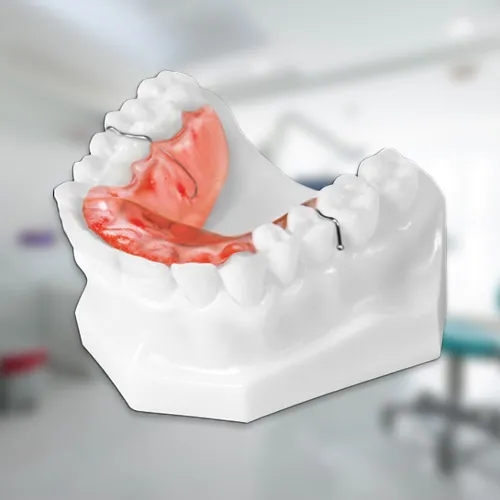
At Aviara Centers, we offer both CPAP machines and mandibular advancement devices (MAD) for treating sleep-disordered breathing. CPAP machines help maintain open airways throughout the night, while MADs are tailored oral appliances that adjust the position of the jaw and tongue to prevent airway obstruction.
Treating sleep apnea and related disorders requires a comprehensive and personalized approach. At Aviara Centers of Los Alamitos, we are committed to providing our patients with the highest quality of care, utilizing state-of-the-art technology and a holistic approach to ensure you achieve the restful sleep you deserve. If you're struggling with sleep-disordered breathing, don't wait to seek help. Schedule an appointment with us today and take the first step towards a night of uninterrupted sleep and improved overall health.



















OUR RECENT POSTS
Check us out and follow our Los Alamitos, California practice on social media...