For many, dental care might seem limited to a semi-annual trip to the dentist, ensuring our pearly whites are in shipshape. It’s easy to assume that once you venture past the realm of fillings, crowns, and perhaps braces, you've covered the entirety of what dental science offers. But, much like the deceptive tranquility of an iceberg's tip concealing its massive subaquatic bulk, the scope of dental science has depths many don’t realize.
The mouth, in its intricacy, is not just a repository for teeth but a dynamic interface that reflects our overall well-being. It's a nexus where various aspects of our health converge and manifest. From the gums' pink hue hinting at our nutritional status to the alignment of our jaws subtly indicating potential postural issues, every nuance within our oral cavity tells a story.
The bacteria thriving between our teeth and gums, for instance, can influence our cardiovascular health. Chronic inflammation in the gums might mirror inflammation elsewhere in the body, like the arteries. Dental issues can lead to problems with digestion, given that the process starts in the mouth. Misalignments in the bite can cascade down to our posture, affecting our spine, our stance, and even the way we walk. The narrative of our health, in many ways, begins with the oral prologue.
When we relegate dental care to mere aesthetics or periodic preventive measures, we inadvertently overlook a vast landscape of health indicators, interconnections, and potential warning signs. As we move forward in our understanding of health, it becomes increasingly evident that our body functions as an integrated unit, and our oral health holds a pivotal role in this interconnected symphony.
So, the next time you consider dental care, remember the iceberg analogy. Look beyond the immediately visible, delve deeper, and you'll uncover a treasure trove of insights, connections, and revelations, all rooted in the nexus of dental science and holistic health.
ATOA (Airway, TMJ & Occlusion Analysis): The Symphony of Modern Dental Science
Dental care, for many years, revolved around the two 'C's: cavities and cleaning. However, ATOA, in its vast and nuanced approach, paints a picture of oral health that's more akin to a renaissance canvas than a simple sketch.
Our mouth isn’t just about teeth; it’s an ecosystem. Think of it as a bustling city. From the bustling markets (teeth) that process our nutrition, to the transportation systems (airways) ensuring oxygen flow, to the pivotal governance centers (TMJ) that regulate functionality — everything is interconnected.
Beyond Teeth: The Airway, TMJ, & Occlusion Tale
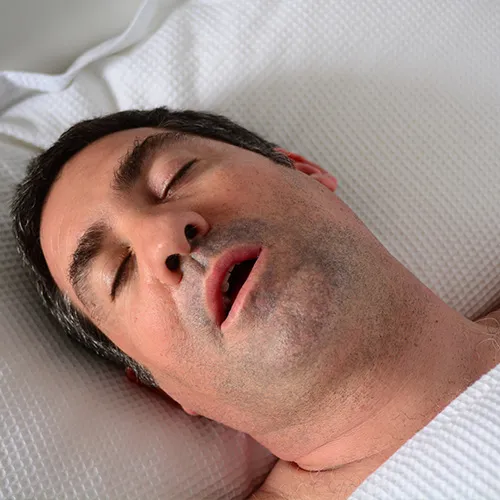
Now, let’s dive a bit deeper. Consider airway health. It's not just about breathing. A compromised airway could mean less oxygen reaching our brain while we sleep. This can potentially lead to sleep disorders like sleep apnea. Furthermore, the TMJ, or temporomandibular joint, is arguably the most used joint in our body. Every time we talk, chew, or swallow, we utilize this intricate joint. And its misalignment? That can manifest as anything from a mild headache to debilitating migraines.
ATOA's Relevance: Life Beyond the Dental Chair
It's not about reacting to pain but about proactive health. Recognizing a slightly misaligned jaw today could prevent a chronic sleep disorder in the future. Understanding teeth occlusion can translate to correcting your bite, ensuring you chew food more effectively, aiding digestion. ATOA is not just a method; it’s a perspective shift.
CCMA (Cranio-Cervical-Mandibular Analysis): Bridging Gaps, One Vertebra at a Time
When you hear the word 'dental', the spine is probably the last thing on your mind. But that's where the marvel of CCMA comes into play. It’s like understanding that the health of a tree isn't just about its leaves but extends deep down to its roots.
Jaw, Neck, and Spine: The Trio's Ballet
Ever woken up with a stiff neck and blamed your pillow? It could be your jaw. The jaw’s position can impact the alignment of the cervical spine, affecting posture and leading to chronic neck or back pain. CCMA recognizes these complex interplays. It’s about identifying how a misaligned jaw can ripple down to posture, affecting overall spinal health.
CCMA's Larger Vision
CCMA extends the frontiers of dental care into the realm of orthopedics. It’s like a holistic detective, identifying culprits in our cranial structure that might be causing seemingly unrelated issues. Got persistent migraines? It could be due to a misaligned mandible affecting cranial balance.
SOPA (Sacro-Occipital-Postural Analysis): Your Posture's Diary: Tales of Health & Harmony
Most of us remember our parents nagging: "Stand up straight!" Little did we know, this wasn't just about looking confident. Our posture is a diary, chronicling tales of our health, habits, and even our happiness.
SOPA's Unique Lens: Peeling Back the Layers
At the heart of SOPA lies a fundamental principle: our body is an intricate matrix where everything is connected. But what makes SOPA stand out is its comprehensive approach to analyzing this matrix.
Sacral Balance: Our sacrum, or the triangular bone at the base of our spine, plays a pivotal role in our overall postural alignment. A slight misalignment here can echo throughout our entire musculoskeletal system.
Occipital Equilibrium: The occipital bone, forming the base of our skull, plays a crucial role in our posture. A misalignment, often unnoticed, can be a silent culprit for a host of issues – from neck pain to migraines.
Overall Posture Assessment: Beyond individual bones, SOPA evaluates the overall harmony of our posture. It looks at how our skeletal system is synchronized, ensuring each part functions seamlessly with the other.
The Web of Interconnections
With SOPA, we get to understand the beautiful, intricate dance that the various parts of our body perform together. A simple example? A persistently misaligned sacrum can affect the curvature of the spine, leading to increased tension on the neck, which then strains the occipital balance. This domino effect can cause issues ranging from chronic back pain to frequent headaches. And that's just the tip of the iceberg!
Our gait, or the way we walk, can also tell tales of hidden imbalances. An off-kilter sacrum can result in an uneven gait, which over time can lead to wear and tear on specific joints, potentially speeding up their degeneration. It’s a cascade of effects, all stemming from our posture.
The Grand Takeaway: Harmonizing the Symphony
Just as a finely tuned orchestra ensures a flawless performance, our body requires every part to play its role perfectly for optimal health. Any discord, be it a minor misalignment or a more pronounced postural issue, can disrupt this harmonious performance.
SOPA's brilliance lies in its ability to decipher these subtle notes of discord. By understanding the nuanced relationships between different parts of our musculoskeletal system, it offers a roadmap to holistic health. Through targeted interventions, adjustments, and therapies, we can ensure that our body's symphony plays melodiously, echoing tales of health, harmony, and well-being.
In Conclusion
The world of dental and orthopedic science is vast and fascinating. As we journey from ATOA to CCMA, and finally to SOPA, one thing becomes clear: every part of our body has a story, and these tales are interwoven in a tapestry of health, wellness, and balance. It's a world where the smile on your lips can be the window to the health of your spine.
And while this journey of discovery can be enlightening, it’s essential to navigate it with expert guidance. This is where scheduling a consultation becomes invaluable. It provides an opportunity to unravel personalized insights, tailor-made solutions, and recommendations best suited to your unique health narrative. Schedule a consultation with us today!





















OUR RECENT POSTS
Check us out and follow our Los Alamitos, California practice on social media...